HEALTH
Nigeria Screens Air Travellers As New Virus Spreads To More Countries
Published
2 years agoon
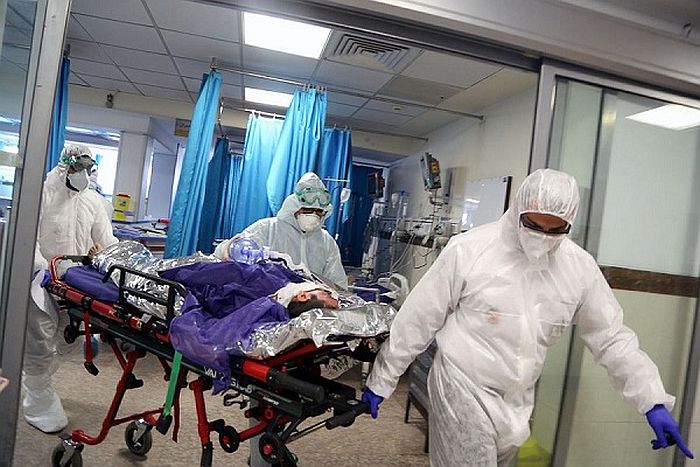
The federal government has strengthened surveillance at major international airports in Nigeria to guide against the outbreak of Human Metapneumovirus (HMPV) recently discovered in China.
The Minister of Health, Muhammad Ali Pate, had directed port health officers to begin to check arriving passengers for any symptom of the virus.
Our correspondent reports that the screening has commenced at the Murtala Muhammad International Airport (MMIA), Lagos and the Nnamdi Azikiwe International Airport, Abuja.
However, the Nigeria Civil Aviation Authority (NCAA) is yet to issue a circular on it especially to airlines on the need to put in place necessary checks on the passengers.
But a source at the MMIA said, “There is no cause for alarm as the Port Health Service has been mandated to start screening the passengers and we are not taking anything to chance. The Port Health Officers are conducting the right check on passengers of foreign airlines as they arrive into the country.”
It would be recalled that during the outbreak of COVID-19 in 2020, Nigeria recorded its first confirmed case which was a 44-year-old Italian Citizen who had arrived in MMIA at about 10 pm on February 24, 2020, via a Turkish airline from Milan Italy.
When contacted yesterday on the actions being taken by the NCAA, the Director of Public Affairs and Consumer Protection, Michael Achimugu, promised to get back to us. He was yet to do so as of press time.
Virus spreads to India, Malaysia, others
There has been a global concern over the spread of the new virus.
The virus was, as of yesterday, said to have spread to India, Hong Kong, Malaysia and Kazakhstan.
Neighbouring countries are keeping a tab on the situation.
Over 5,000 people were recently reported hospitalised in the United Kingdom as a result of the virus.
The first case of HMPV was reported over the weekend and it is said to be rising.
Reports say the spike in cases coincides with colder weather and increased indoor activity, conditions that typically fuel the spread of respiratory viruses with experts saying the surge is consistent with seasonal trends.
Cases were also said to be surging in the UK as the UK Health Security Agency’s (UKHSA) weekly National flu and COVID-19 surveillance report found that rates of HMPV have increased slightly to 4.5 per cent, according to the UK Independent.
The highest positive rate was among those five-years-old and younger at 10 per cent, the report said.
We’re monitoring global developments – NCDC
The Nigeria Centre for Disease Control and Prevention (NCDC), in its advisory issued yesterday, and signed by its Director-General, Dr Jide Idris, said it was closely monitoring global developments in collaboration with the Ministry of Health and Social Welfare.
It is said: “We aim to provide timely, accurate information and guidance to keep the Nigerian public informed and prepared.”
The agency said that the rumor circulating about the World Health Organization (WHO) declaring HMPV a Public Health Emergency of International Concern (PHEIC) is false and should be disregarded.
“The WHO has not made such a declaration. Recent reports indicate a significant rise in Human Metapneumovirus (HMPV) cases in China, as well as increased respiratory infections linked to HMPV in countries such as the United Kingdom (UK), France, and Germany, particularly during the winter season.
“The UK Health Security Agency (UKHSA) has highlighted a notable rise in hospital admissions due to HMPV-related complications, especially among children under five and older adults in care homes. This trend emphasizes the need for heightened preparedness and vigilance,” NCDC said.
Experts task Nigeria on vigilance, preparedness
Experts, who spoke to Daily Trust yesterday, charged Nigeria on vigilance and early preparedness against the disease.
Dr Francis Ohanyido, Director-General , West African Institute of Public Health, urged Nigerian and African governments to be vigilant and proactive in preparing for the potential spread of Human Metapneumovirus (HMPV) beyond China.
He said: “We have witnessed the devastating impact of COVID-19, and we cannot afford to be caught off guard again.”
He said to mitigate the risks, governments must take immediate action to enhance surveillance and monitoring, launch public awareness and education campaigns, build healthcare capacity, promote vaccination and infection control, foster research and collaboration, and develop emergency preparedness plans.
He also said building on past lessons with Ebola and COVID-19 community health literacy strategies deployed very early should be at the heart of all interventions.
He said, “By taking these proactive measures, we can protect the health and well-being of our citizens and prevent the spread of HMPV. Let us work together to prioritize public health and safety.”
Also, Professor Oluwasogo Olalubi of Department of Public Health, Kwara State University, Malete, said the federal government requires swift, coordinated and flexible action to prepare to contain the viral disease.
He said, “Emerging viruses, which often come with limited knowledge of their transmission, severity, or treatment, present unique challenges. But early preparation is crucial which includes strengthening and upscaling our laboratories.”
He also emphasized the need for massive awareness and leverage of technological tools like google maps and phones through SMS and creating awareness.
He said: “Clear communication strategies are vital. This includes educating the public on hygiene practices, recognizing symptoms, and knowing when and where to seek medical help.
“Our surveillance system must be strong for early detection including monitoring and reporting from airport and health clinics, hospitals and labs. Monitoring wet markets or areas of human-animal interaction are essential.
The expert said the federal government should further maintain reserves of critical supplies like personal protective equipment (PPE), antiviral drugs, oxygen, and ventilators.
“Although vaccines and antivirals may not be available for new diseases initially, preparedness includes the development of platforms (e.g., mRNA vaccines) that can be adapted quickly.
He said once initial cases are detected, the immediate goal is to isolate infected individuals and their contacts to limit further transmission.
He added that there may also be a need to Implement travel restrictions or enhanced screening at airports or border points to contain the virus’s spread.
Information about HMPV
It is a respiratory virus that can cause illnesses ranging from mild cold-like symptoms to severe respiratory infections, particularly in young children, older adults and individuals with weakened immune systems.
The symptoms are cough, fever nasal congestion, shortness of breath, wheezing, bronchitis or pneumonia (in vulnerable populations such as very young children, older people, patients with low immunity such and those on cancer treatment, uncontrolled diabetes etc).
The incubation period is 3-5 days after exposure, and infections typically resolve within 2-5 days with supportive care.
Preventive measures
To reduce the risk of HMPV infection, NCDC advised the public to follow these preventive steps:
For the General Public:
Hand Hygiene: Wash hands frequently with soap and water for at least 20 seconds.
Respiratory Etiquette: Cover your mouth and nose with a tissue or elbow when coughing or sneezing. Cover your mouth an nose with face mask if you are experiencing flu like symptoms.
Avoid Close Contact: Maintain distance from individuals showing symptoms of respiratory illness.
Avoid overcrowded places.
Disinfect Surfaces: Regularly clean and disinfect frequently touched objects and surfaces.
Self-Isolation: Stay home if experiencing symptoms to prevent spreading the virus. As is correct parctice and seek medical care from appropriate sources.
Protecting Vulnerable Groups:
Young children, older adults, and individuals with underlying health conditions such as people with chronic diseases such as diabetes, on cancer treatment, immunocompromised patients or those with low immunity should seek prompt medical attention if experiencing severe symptoms.
Daily Trust
You may like
-
CPC at 105: China Pushes Deeper Partnership With Nigeria
-
EFCC, lNTERPOL Clash in Nigerian-Chinese Fraud Probe
-
Any War With Us Cannot Be Won — China Warns US
-
Mystery Disease Outbreak Leaves Hospitals Overwhelmed In China
-
Zero Rabies In Enugu: Gov. Mbah Urges Vaccination of Dogs Against The Virus
-
Gov Mbah’s New Enugu City Initiative Receives A Boost As Nigerian Diaspora Community In Guangdong, China Keys Into Project
HEALTH
After Oko Hostel Tragedy, Sen. Uche Ekwunife Calls for Tougher Building Safety Enforcement (See details)
Published
13 hours agoon
July 29, 2026
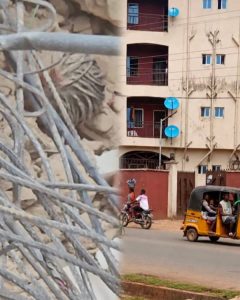
The Most Distinguished Senator Uche Ekwunife, CON, has expressed deep sadness over the tragic collapse of a student hostel in Oko, Orumba North Local Government Area of Anambra State, which claimed lives and left several others injured.
In a statement issued following the incident, Senator Ekwunife extended her heartfelt condolences to the families of the victims, describing the loss of lives as a painful tragedy for the bereaved families, the Oko community, and Anambra State as a whole.
She also expressed concern for those who survived the collapse and are currently receiving medical treatment, praying for their quick and complete recovery.
While commending the efforts of rescue workers, security personnel, healthcare providers, volunteers, and community members involved in the emergency response, the former senator urged them to sustain the search-and-rescue operation until every missing person is accounted for.

Senator Ekwunife further called on the appropriate authorities to conduct a thorough, transparent, and impartial investigation into the cause of the building collapse. She stressed that establishing the circumstances surrounding the incident is crucial not only for ensuring accountability but also for preventing similar tragedies in the future.
She also advocated stricter monitoring and enforcement of building regulations across Anambra State, emphasizing that adherence to approved construction standards and professional guidelines must be treated as a critical public safety responsibility rather than a mere administrative requirement.
According to her, stronger enforcement by relevant regulatory agencies would significantly reduce the risk of building failures and help safeguard lives and property.
Senator Ekwunife concluded by praying for the peaceful repose of the souls of those who lost their lives, divine comfort for their grieving families, and speedy healing for those injured in the unfortunate incident.
The statement was signed by Tony Ezike, Special Adviser on Media and Publicity to Senator Uche Ekwunife.
Gbasgbos
Shock Proposal? Senator Pushes Bill to Recognize Native Doctors’ Role in Connecting With Ancestors
Published
7 days agoon
July 23, 2026
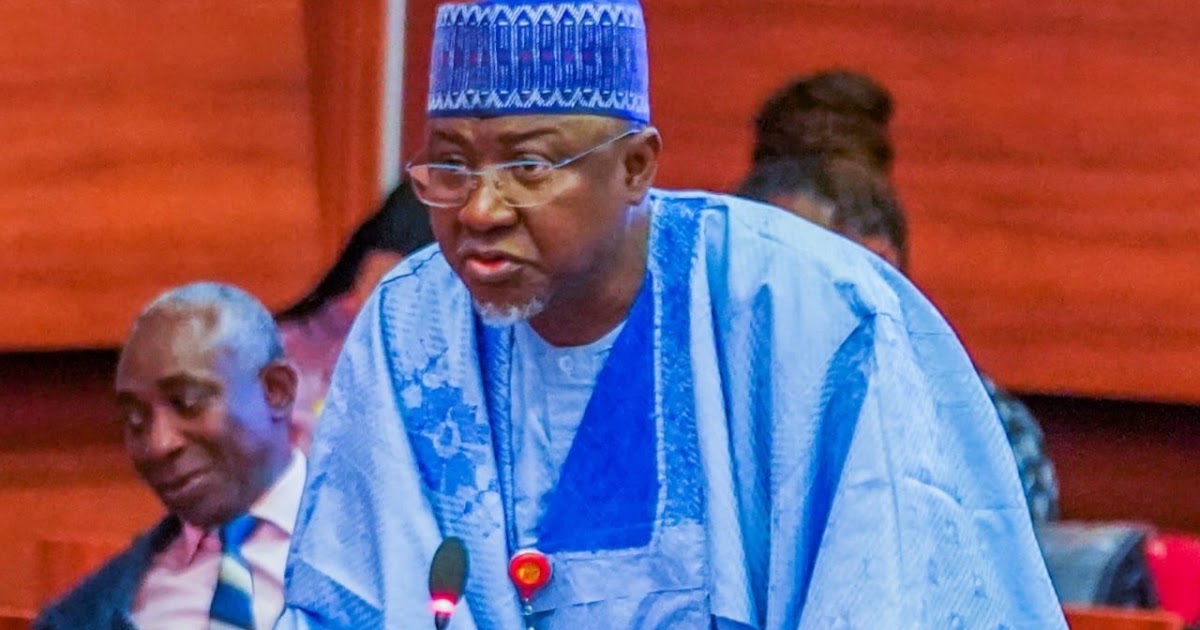
Garba Maidoki, senator representing Kebbi south, has called for the inclusion of traditional medicine in a bill seeking to overhaul
Nigeria’s food and drug regulatory framework.
He argues that indigenous healing practices remain relevant, particularly in rural communities.
The senator spoke on Tuesday during debate on a bill seeking to repeal the Food, Drug and Related Products (Registration, Etc.) Act and the
Food and Drug Act, and replace them with a single legal framework for regulating food, medicines and other products that affect public health.
‘MOST RURAL DWELLERS RELY ON TRADITIONAL MEDICINE’
Speaking in support of the bill sponsored by Sadiq Umar, senator representing Kwara north, Maidoki said the legislation should also
recognise traditional medicine.
“I rise to also support this motion ably sponsored by Senator Suleiman Sadiq. This motion, as my colleague said, is apt, is timely,
and is in good faith to modernise the practice of food and drug registration in Nigeria,” he said.
“But Mr. President, I want to bring to your attention that even though this is modernised, we have not seen anything on this bill
concerning traditional medicine.
“Concerning traditional medicine, sir, most of our rural dwellers, most of them rely mostly on this traditional medicine.
“And I think it is high time that we have a law that also allows traditional medicine to be implemented.
“Holistically, if this is done, we will also reduce the cost of importation of drugs from foreign nations, and we will rely mostly on our
own indigenous herbs and medication by our own native doctors.”
Maidoki said incorporating traditional medicine into the legal framework would reduce dependence on imported medicines.
He added that the bill’s sponsor, a pharmacist, should work towards integrating traditional practitioners into the country’s healthcare
system.
“I think if this is done, the pharmacist Senator Suleiman will be able to incorporate these people and make this holistic,” he said.
The lawmaker said some ailments are better treated with herbal remedies than orthodox medicine.
“Even some of us that are senators, sometimes we rely, we go to herbal medicine to help us with one ailment or the other, which sometimes
the modern medicine has no answer. Like if your ancestors decide to talk to you, you need a native doctor to intercede on your behalf,” he added.
Maidoki’s remarks elicited laughter in the senate chamber.
Senate President Godswill Akpabio responded in a light-hearted manner.
“Thank you, Distinguished Senator Garba. The native doctor will intercede between you and the ancestor,” he said.
“It’s actually baffling that this was part of the African religion, but when the white people came, they now told us that we don’t need
our ancestors, but I think from what you are saying, you are still using your ancestors.”
The bill later passed second reading after receiving the support of lawmakers.
If enacted, the legislation will repeal two existing food and drug laws and establish a unified regulatory framework covering food,
medicines, vaccines, medical devices and other products that affect public health.
HEALTH
NPU Youth Wing Abuja Champions Menstrual Hygiene Awareness, Distributes Sanitary Pads to Schoolgirls
Published
1 month agoon
June 24, 2026
Abuja, Nigeria – June 24, 2026
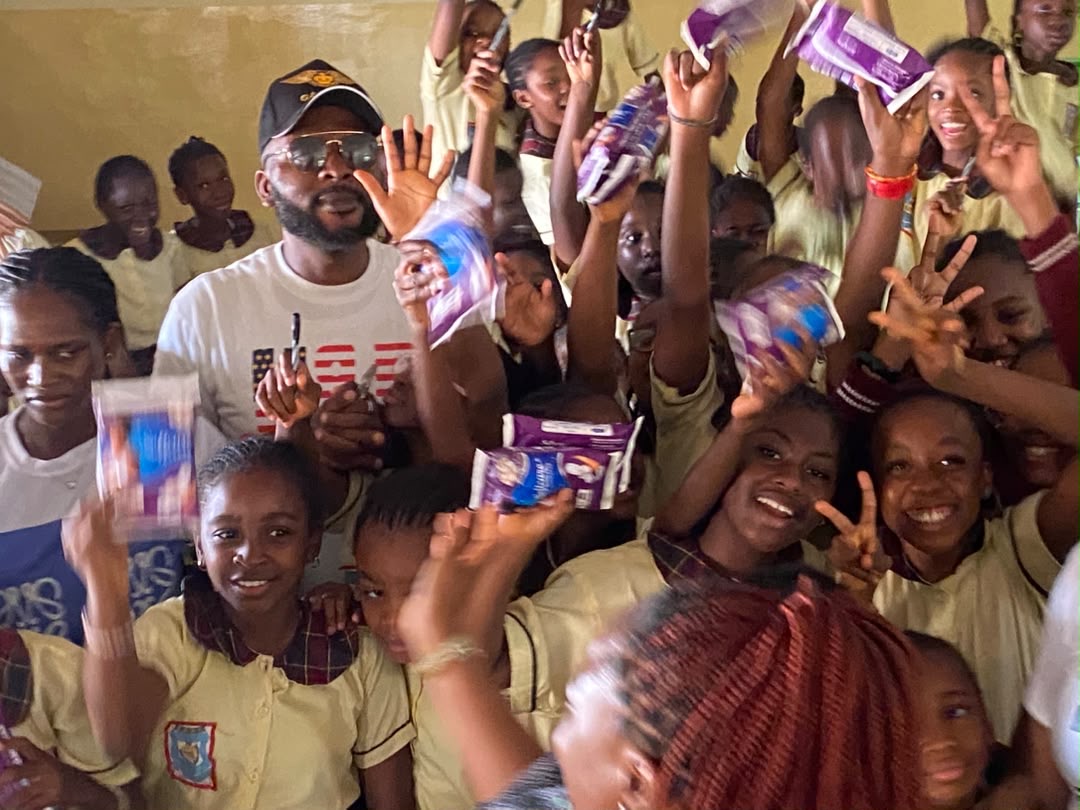
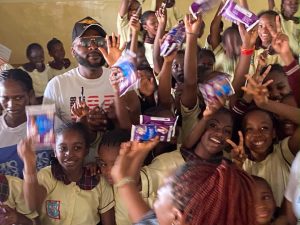
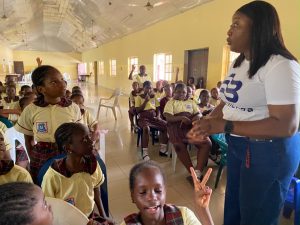
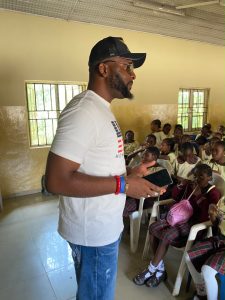
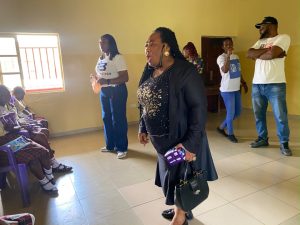
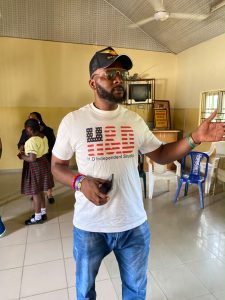
In a commendable effort aimed at promoting adolescent health and empowering young girls, the Nri Progress Union (NPU) Youth Wing, Abuja Branch, on Wednesday, June 24, 2026, organized a menstrual hygiene sensitization programme for female students of St. Aloysius Secondary School, Garki, Abuja.
The outreach, themed “Sensitization on Menstrual Hygiene for the Girl Child,” formed part of the Union’s ongoing commitment to community development, health education, and social responsibility.
Recognizing the challenges many young girls face due to misinformation, cultural stigma, and limited access to menstrual hygiene products, the programme was designed to provide accurate knowledge and practical guidance on menstrual health management.
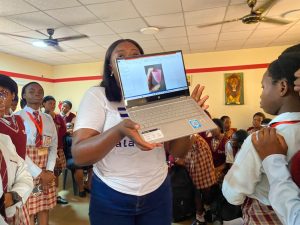
During the interactive session, facilitators educated the students on the biological processes associated with puberty and menstruation, emphasizing the importance of maintaining proper hygiene during menstrual periods. Discussions also focused on the correct use and disposal of sanitary products, prevention of infections linked to poor menstrual hygiene, nutritional needs during menstruation, and the importance of self-confidence and self-esteem among adolescent girls.
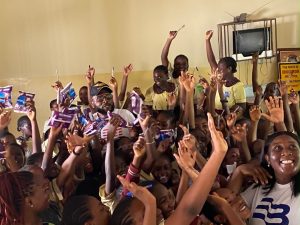
A major highlight of the programme was the open-question session, which allowed students to freely engage with facilitators and seek clarification on issues surrounding menstrual health. The enthusiastic participation of the students underscored the growing need for continuous awareness campaigns and education on menstrual hygiene.
Speaking during the programme, members of the NPU Youth Wing stressed the importance of breaking societal stigmas associated with menstruation and encouraging open conversations that foster understanding, confidence, and dignity among young girls.
As part of the outreach initiative, the Union also distributed sanitary pads to the students. The gesture was aimed at promoting menstrual dignity, encouraging healthy hygiene practices, and supporting girls who may face difficulties accessing menstrual hygiene products. The distribution was warmly received by both the students and the management of St. Aloysius Secondary School.
The initiative aligns with broader global efforts to improve health outcomes, promote gender equality, enhance access to quality education, and empower young women. Experts have consistently noted that improving menstrual hygiene awareness can significantly reduce school absenteeism among girls, improve academic performance, and contribute to their overall well-being.
The successful execution of the project was led by Madumelu Chinelo Ekene, who served as Team Lead, alongside other dedicated members of the NPU Youth Wing Abuja Branch, including Blessing Nwabukwu (Program Facilitator), Ogudinma Chinelo M., Ebuka Offordile, Francis C. Oraeki, Emmanuella Ifeyinwa Ejide, and Nwagbo Ogochukwu Victoria.
The union President, Amb. Francis also used the opportunity to express his gratitude on behalf the entire members to its donors and supporters whose contributions made the programme possible.
In a statement after the event,by the NPU Youth Wing Abuja Branch president Amb. Francis C. Oraeki, appreciated the management, staff, and students of St. Aloysius Secondary School for their cooperation and warm reception, reaffirming its commitment to initiating impactful projects that promote sustainable development and improve the lives of young people.
The Menstrual Hygiene Sensitization Programme and Sanitary Pad Distribution Exercise was widely regarded as a success, reflecting the Union’s dedication to community service, health advocacy, and girl-child empowerment.
Through education, awareness, and direct intervention, the NPU Youth Wing Abuja Branch continues to contribute towards building a society where every girl is informed, supported, confident, and equipped to thrive.
See pictures from the event below

HEALTH
UNICEF: Enugu Among First States to Invest in Micronutrients
Published
4 months agoon
March 31, 2026
The United Nations Children’s Fund (UNICEF) has commended Governor Peter Mbah for his administration’s significant investment in improving the nutrition, health and wellbeing of women and children, describing Enugu as one of the first states in Nigeria to invest in multiple micronutrients.
The commendation was made by the UNICEF Country Representative, Nigeria, Wafaa Saeed, during the formal handover of nutrition commodities under the Child Nutrition Fund (CNF) to the Enugu State Government on Tuesday.
The commodities, which were procured through a matching fund arrangement between UNICEF and the Mbah Administration, include Small-Quantity Lipid-Based Nutrient Supplements (SQ-LNS), Ready-to-Use Therapeutic Food (RUTF), and Multiple Micronutrient Supplements (MMS), aimed at combating malnutrition among children and pregnant women.
Represented by the Chief of Nutrition Section, Nemat Hajeebhoy, Saeed praised the Mbah Administration for its proactive approach, noting that Enugu had distinguished itself as a model for other states.
“UNICEF commends Enugu State’s leadership and contribution to the Child Nutrition Fund, positioning the state as a model. Enugu is one of the first states to procure MMS and among the few prioritising prevention through SQ-LNS,” she said.
She, however, expressed concern over the rising burden of malnutrition in Nigeria, describing it as a major public health challenge, urging stakeholders to ensure that the commodities were efficiently distributed to underserved communities.
Saeed also stressed the need for robust monitoring systems, community sensitisation, and accountability frameworks to guarantee that the supplies reach the intended beneficiaries.
In her opening remarks, the Executive Secretary of the Enugu State Primary Healthcare Development Agency, Dr Ifeyinwa Ani-Osheku, described the event as a historic milestone in the state’s fight against malnutrition.
She said the handover represented not just the transfer of commodities but “the transfer of potential,” noting that the supplies included 854 cartons of Ready-to-Use Therapeutic Food for treating severe acute malnutrition and 2,088 cartons of Small-Quantity Lipid-Based Nutrient Supplements designed to support children during critical stages of growth and brain development.
Ani-Osheku further noted that Enugu had become the only state in the federation to co-finance the procurement of Multiple Micronutrient Supplements through the CNF, directly addressing the high rate of anaemia among pregnant women, while stressing that the intervention aligns with the state’s broader human capital development strategy.
Also speaking, the Deputy Chairman of ALGON in the state and Chairman of Igbo-Eze South Local Government Area, Barr. Ferdinand Ukwueze, commended the governor for prioritising child survival and wellbeing.
He assured that local government authorities would ensure effective last-mile distribution of the commodities, stressing that beneficiaries across communities would receive and utilise the supplies promptly.
On his part, a traditional ruler, Igwe Innocent Ogbodo of Ndiagu Akpugo, in Nkanu West LGA of the state, lauded the administration’s focus on healthcare and education, while calling for improved commitment from health workers to maximise the impact of the intervention.
The Commissioner for Children, Gender Affairs and Social Development, Hon Ngozi Enih, described the initiative as a demonstration of strong political will, noting that the prompt release of counterpart funding by the state government had strengthened its partnership with UNICEF.
She said the intervention would significantly enhance efforts to prevent and manage malnutrition among vulnerable populations, assuring that mechanisms had been put in place to ensure transparency and effective distribution.
Similarly, the Commissioner for Human Capital Development and Poverty Eradication, Prof Benedette Okolie, noted that the programme underscored the importance of nutrition in building a productive society, adding that sustained collaboration among stakeholders remained critical to achieving long-term impact.
The Commissioner for Health, Prof George Ugwu, also commended Governor Mbah for what he described as massive and deliberate investment in children’s healthcare, particularly in tackling malnutrition, assuring that the ministry would deploy effective tracking mechanisms to ensure the commodities are distributed equitably across rural and hard-to-reach communities.
In his remarks, the Special Adviser to the Governor on Donor Relations, Hon Dubem Onyia Jnr, appreciated UNICEF for its continued support, describing the partnership as vital to advancing development outcomes and improving child welfare in the state.
Responding, Governor Mbah, who was represented by the deputy, Barr Ifeanyi Ossai, reaffirmed his administration’s commitment to strengthening collaboration with UNICEF and other development partners.
He said the government had established nutrition desk officers across the 17 local government areas to drive grassroots implementation and ensure effective tracking of pregnant women and children.
Mbah added that the state’s Smart Schools feeding programme, which would provide at least one nutritious meal, daily in the over 260 Smart Schools across 260 political wards, was designed to complement ongoing nutrition interventions and tackle malnutrition holistically.
While commending UNICEF’s support, the governor called for sustained partnership to ensure the long-term success of the feeding programme, noting that it required substantial financial investment.
HEALTH
WHO Urges Other States to Emulate Enugu’s Healthcare Model
Published
4 months agoon
March 30, 2026
The World Health Organization (WHO) has called on state governments across Nigeria to replicate Enugu State’s primary healthcare model, describing it as a benchmark for effective and people-centered service delivery.
This commendation was made by the WHO South East Zonal Coordinator, Dr. Igboekwu Chukwumuanya, during a supervisory visit to the newly constructed Type-2 Primary Healthcare Centre in Ogbaku, Awgu Local Government Area.
Speaking after inspecting the facility, Chukwumuanya said the standard of infrastructure, equipment, and service delivery observed in Enugu’s primary healthcare centres had set a “gold standard” for the country.
“This is my second visit to this facility, and what we are seeing here is highly commendable. The Type-2 Primary Healthcare Centres in Enugu have become a gold standard in Nigeria. Other states must emulate this level of commitment to healthcare delivery,” he said.
The visit coincided with Governor Peter Mbah’s quarterly supervisory tour, during which he engaged directly with community stakeholders, including traditional rulers, women groups, youth organisations, and healthcare users.
Across board, stakeholders described the Ogbaku facility as a “lifeline,” citing its accessibility, modern equipment, and potential to significantly improve maternal and child health outcomes.
A traditional ruler, Igwe M.O. Egbo, expressed appreciation for the project, noting that it would address long-standing healthcare challenges in the community. He, however, called for the deployment of more health workers to ensure round-the-clock services.
Similarly, the Coordinating President-General of Awgu LGA, Chief Collins Okere, described the hospital as the fulfilment of a long-held aspiration, assuring that the community would safeguard the facility and ensure it serves its intended purpose.
Women groups were particularly emphatic about the impact of the project. The Awgu Women Leader, Mrs. Franscia Uzo, described the centre as “life support,” especially for women and children, while pledging continued support for the administration.
Providing further insight into the state’s healthcare reforms, the Executive Secretary of the Enugu State Primary Health Care Development Agency, Dr. Ifeyinwa Ani-Osheku, highlighted ongoing efforts to strengthen service delivery through the recruitment of health workers, improved access to essential medicines, and enhanced maternal and child health programmes.
Also, the Commissioner for Health, Prof. George Ugwu, noted that the administration’s investments had repositioned primary healthcare as the foundation of the state’s health system, leading to measurable improvements in outcomes across communities.
Responding, Governor Mbah reiterated his administration’s commitment to building a resilient and inclusive healthcare system. He disclosed that approval had been granted for the recruitment of 2,250 health workers to address personnel shortages and ensure 24-hour operations across facilities.
“Our goal is to ensure that no woman dies during childbirth. We have already reduced maternal and infant mortality rates by over 80 per cent, and we are working towards eliminating preventable deaths entirely,” he said.
The governor further explained that the facilities were equipped with solar power, running water, staff quarters, and integrated electronic medical records systems to enhance efficiency and sustainability.
He added that the state was replicating similar healthcare centres across all 260 electoral wards, while also expanding access to potable water and strengthening emergency response systems.
The WHO’s endorsement reinforces Enugu State’s growing reputation as a leader in primary healthcare innovation, with its model increasingly seen as a viable template for other states seeking to improve health outcomes and service delivery.
HEALTH
Foundation Unveils Health Insurance Plan for Vulnerable Nigerians
Published
4 months agoon
March 29, 2026
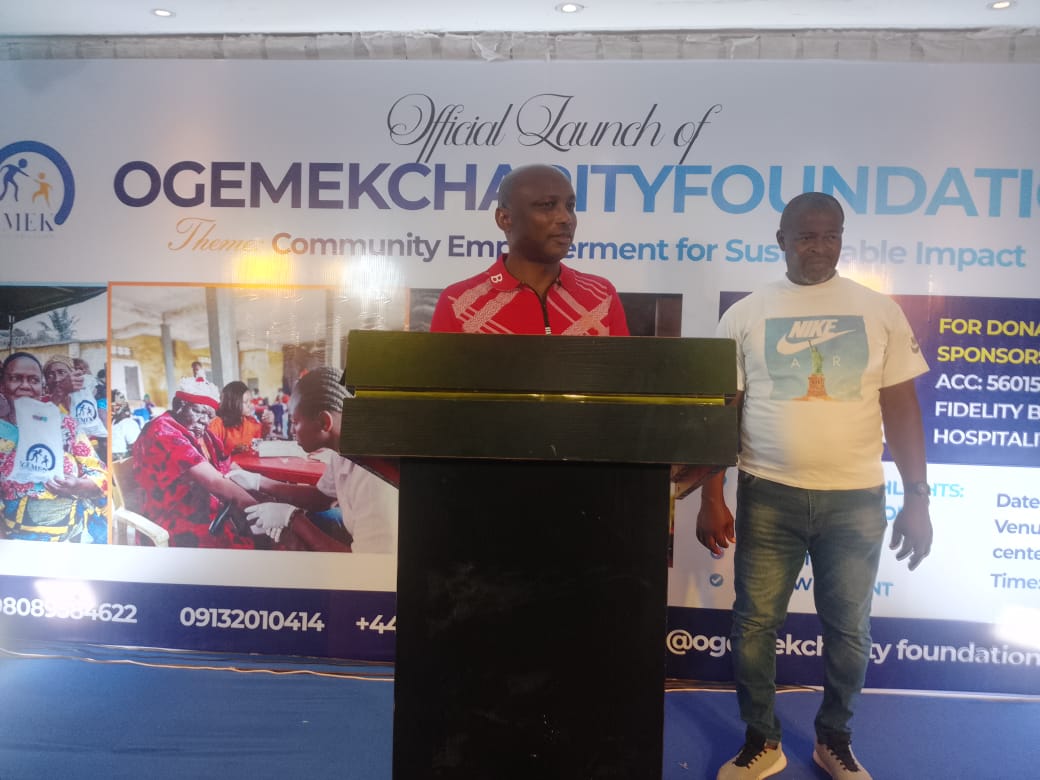
The founder of OGEMEK Charity Foundation, Dr. Frederick Iloegbune, has announced plans to introduce a health insurance scheme targeted at improving access to medical care for vulnerable populations.
He announced this during the official launch of the foundation at the Amadeo Event Centre in Enugu, outlining the organisation’s strategic focus on tackling healthcare inequality.
According to Iloegbune, the initiative will be implemented in partnership with the University of Nigeria Teaching Hospital Foundation, with the aim of delivering affordable and accessible healthcare services to underserved groups.
He noted that the scheme is designed to address the growing number of Nigerians excluded from basic healthcare due to inadequate insurance coverage, stressing that the foundation seeks to bridge this gap through targeted intervention.
Dr. Iloegbune also criticised the failure of leadership to replicate functional systems observed in developed countries, arguing that while government action remains critical, private sector initiatives must not be stalled.
Reaffirming the foundation’s mission, he said OGEMEK Charity Foundation is committed to uplifting vulnerable individuals across all age groups through selfless service, regardless of religious or ethnic considerations.
“If the government is not interested in ensuring that vulnerable people have access to health insurance, we have decided to step in and provide hope by guaranteeing access to quality medical care,” he said.
Beyond healthcare, the foundation is advancing human capital development through structured skills acquisition programmes. Iloegbune disclosed that several beneficiaries have completed training and are now productively engaged in the economy.
He, however, acknowledged challenges, particularly the tendency of some beneficiaries to prioritise short-term financial assistance over long-term empowerment. Despite this, he maintained that the foundation remains focused on sustainable development by equipping participants with practical skills, certification, and startup support.
Training areas include catering, fashion design, and information and communication technology, all aimed at enhancing economic self-reliance.
“At OGEMEK Charity Foundation, we empower individuals to strengthen the wider community,” he added.
In his remarks, the Executive Director of Carmelite Prisoners’ Interest Organisation, Rev. Fr. Jude Isiguzo, called for increased collaboration among stakeholders to address the needs of vulnerable groups, describing such efforts as vital to national development
Represented by Mr. Godwin Ugbor, Isiguzo emphasised that societal progress should be measured by the care extended to the most marginalised, including the poor, inmates, and abandoned persons.
He attributed vulnerability in Nigeria largely to systemic challenges such as poverty and limited access to justice, rather than individual failings.
The cleric commended the foundation’s inclusive approach, particularly its focus on orphans, widows, underprivileged youths, and inmates, noting its alignment with broader social inclusion objectives.
He urged government institutions, non-governmental organisations, and individuals to prioritise practical, collaborative solutions capable of delivering sustainable impact.
“Supporting the vulnerable goes beyond compassion; it is a pathway to societal transformation. Empowering individuals today helps prevent greater challenges in the future,” he said.
HEALTH
Enugu on High Alert as Govt Intensifies Lassa Fever Surveillance
Published
5 months agoon
March 4, 2026
The Enugu State Government has placed all health facilities on high alert over the rising cases of Lassa fever in neighbouring states, urging strict adherence to preventive measures by healthcare workers and residents.
Commissioner for Health, Prof. George Ugwu, disclosed this on Wednesday in Enugu while briefing journalists on the state’s preparedness.
He noted that although no confirmed case has been recorded in Enugu, the state has activated enhanced surveillance due to its shared borders with Benue and Ebonyi states.
According to him, neighbouring Benue State recently reported 250 suspected cases, 45 confirmed infections and 10 deaths among healthcare workers, while Ebonyi State has recorded more than six confirmed cases.
“At present, Enugu has no confirmed case. However, we are in a high-alert phase and engaging partners to prevent any outbreak,” Ugwu said.
Mandatory Measures for Health Facilities
The commissioner directed all healthcare facilities to enforce mandatory patient triage at designated points and promptly refer suspected infectious cases to centres equipped to manage them.
Tertiary institutions are required to establish holding areas for suspected cases and immediately notify the state through approved reporting channels. He stressed strict compliance with Infection Prevention and Control (IPC) protocols, including the appropriate use of Personal Protective Equipment (PPE).
Healthcare workers were also advised to maintain a high index of suspicion for persistent fever unresponsive to malaria treatment and to ensure proper waste disposal and disinfection procedures.
Public Advisory
Residents were urged to maintain rodent-free environments by keeping homes clean, sealing holes in walls and floors, clearing surrounding bushes, and storing food items in tightly sealed containers.
The government also cautioned against drying food in open spaces where rodents can contaminate them, handling or consuming rats, and contact with bodily fluids of sick individuals.
Members of the public experiencing symptoms such as persistent fever, headache, weakness, vomiting, abdominal pain or unexplained bleeding were advised to seek immediate medical attention and avoid self-medication.
Emergency Response Activated
Ugwu revealed that the state has activated “Enhanced Mode” surveillance across all 17 Local Government Areas, with Rapid Response Teams on 24-hour standby.
Personal Protective Equipment, essential medicines and safe-burial materials have been pre-positioned, while risk communication materials are being distributed in local languages.
Nigeria has recorded 1,469 suspected cases, 318 confirmed cases and over 70 deaths nationwide, with outbreaks reported in Taraba State, Ondo State, Bauchi State, Edo State, Benue State, Nasarawa State, Kogi State and Ebonyi State.
The commissioner urged media organisations to disseminate only verified information from the Ministry of Health and to amplify accurate public health messages.
Residents were encouraged to report suspected cases through designated state emergency lines.
HEALTH
Enugu hits 101% measles, rubella immunisation coverage, beats national target
Published
6 months agoon
February 15, 2026
The Enugu State Government says it achieved 101 per cent coverage in the just-concluded national measles and rubella immunisation campaign, surpassing the national target of 85 per cent.
The Commissioner for Health, disclosed this in Enugu while reacting to the exercise conducted between February 4 and February 13.
Ugwu attributed the outcome to strong field operations and broad inter-ministerial collaboration, noting that the campaign benefited from coordinated efforts across ministries and engagement with traditional rulers, religious bodies and local government structures.
He commended the support of , stating that investments in primary healthcare centres and vaccine cold-chain systems ensured effective distribution and preservation of vaccines.
“With the governor’s backing, all our Primary Healthcare Centres received the vaccines, which were preserved at the right temperatures to maintain efficacy,” he said.
The commissioner also cited ongoing recruitment of primary healthcare workers as a key factor in strengthening service delivery across the state.
Ugwu further praised the administration’s engagement with health workers and attention to their welfare, adding that improved infrastructure had increased interest among medical graduates seeking internships and residency placements at facilities including the .
He recalled a recent visit by a National Assembly Health Committee team, which, according to him, commended the state’s progress in the health sector.
The immunisation campaign targeted children aged nine to 14 years.
HEALTH
Enugu vaccinates 1.5m children in measles, rubella drive as state targets zero cases
Published
6 months agoon
February 12, 2026
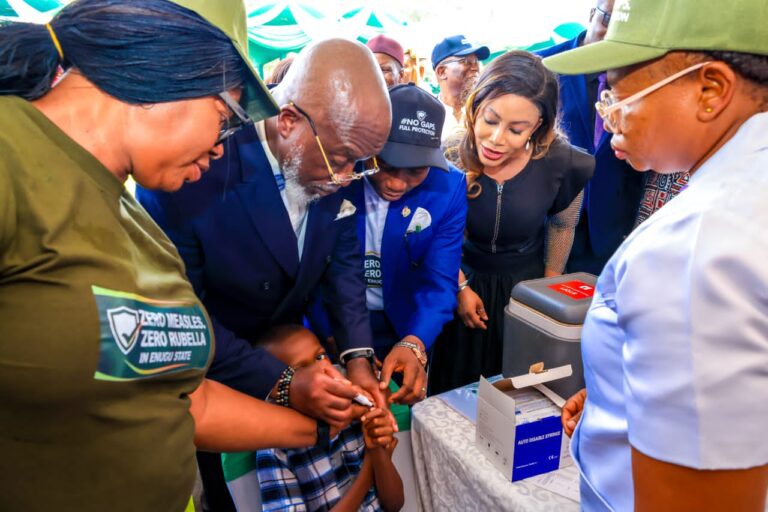
The Enugu State Government says over 1.5 million children have so far received vaccination against measles and rubella within a week in the ongoing statewide immunisation against the diseases.
Dr Ifeyinwa Ani-Ocheku, Executive Secretary of the Enugu State Primary Health Care Development Agency (ENS-PHCDA), announced this during the flag off of integrated Measles-Rubella vaccination campaign held at the Michael Okpara Square, Enugu on Wednesday.
Ani-Ocheku added that the number represented about 68 per cent of the target population of 2.2 million children in the state, describing the figure as unprecedented and the state’s commitment to achieving zero cases of the diseases.
She equally described the exercise as a “historic and deliberate” move to protect the future of the state.
“We are gathered here today not just for a ceremony but for a declaration. We declare that the life of a child in Nsukka is as valuable as the life of a child in New York.
“In Enugu, the health of our children is non-negotiable. We declare zero measles and zero rubella in Enugu State,” she said.
According to her, health workers embarked on aggressive community mobilisation, moving from house to house, schools, churches and mosques to ensure that no child was left out.
She said that no serious adverse effects had been recorded since the exercise began.
The executive secretary explained that measles incubates for 10 to 14 days, and can cause blindness, deafness, brain swelling and even death, while rubella, incubating for 14 to 21 days, posed serious risks including congenital disabilities in unborn children.
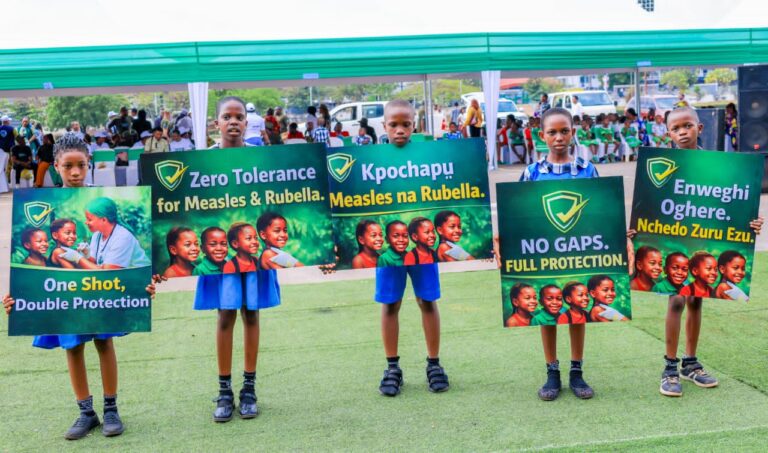
“Science has gifted us a vaccine, one shot, double protection. The vaccine is safe and effective, and this success belongs to our communities”.
She commended Gov. Peter Mbah for his administration’s reforms in the health sector, including the transformation of primary healthcare departments into functional Local Government Health Authorities and timely release of counterpart funding,
Flagging the exercise off earlier, Gov Mbah, represented the Secretary to the State Government, Prof. Chidiebere Onyia, described the vaccination campaign as a “sacred obligation” of government.
He said, “Our future is not in the roads we build or the industries we attract. Our future is sitting in classrooms, playing in courtyards and lying in cradles across Enugu State. Our future is our children”.
The governor stressed that health remained a central pillar of his administration’s economic strategy, noting that a sick child could not learn or grow into the Innovator, Engineer or leader.
He highlighted key reform carried out by the government to include granting autonomy to local government health authorities to remove bottlenecks in service delivery and sanitising primary healthcare payroll systems,
According to him, the reforms include revitalising health training institutions, and ensuring access to Basic Health Care Provision Funds.
He urged parents and caregivers to take advantage of the remaining days of the campaign to close the immunity gap, by ensuring their children between nine months and 14 years received the vaccines.
“In vaccination, 68 per cent is commendable, but it is not enough. The virus looks for the gaps. Let us find the remaining children. Our goal is simple, zero measles, zero rubella, full protection,” he said.
In goodwill messages, the Commissioner for Health, Prof. George Ugwu and the Chairman of Oji River Local Government Area, Mr Greg, Anyaegbudike, urged parents and caregivers who have children of nine months to 14 years to be vaccinated.
Ugwu called on them to make their children available for the vaccines before the Feb. 15 deadline, assuring residents that the vaccines were safe, effective and critical to safeguarding the health and future of Enugu children.
The two-week exercise began on Feb. 3 will end in Feb. 15.
After Oko Hostel Tragedy, Sen. Uche Ekwunife Calls for Tougher Building Safety Enforcement (See details)

Why The Wrong People Keep Feeling Right (PT. 2)
Talk With Gloria: Why The Wrong People Keep Feeling Right (PT. 1)
Boat Trip Ends in Horror as 20 Die, Majority Nigerians
“I Pray For It” — Gov. Sule Drops Bombshell on 2027 Ticket
Shock Proposal? Senator Pushes Bill to Recognize Native Doctors’ Role in Connecting With Ancestors
Millions Taken, Now Returned: FG’s Shocking Move On Textbook Fees
One Condition: Oluremi Reveals What She’ll Wear If Husband Is Re-Elected
A New Era? US and Saudi Arabia Near Landmark 30-Year Nuclear Agreement
Nigeria Remains Africa’s Population Giant as New 2026 Figures Emerge
Trending
-
NEWS2 years agoA MUST READ!! What Peter Obi Discussed With Atiku, Saraki, Lamido During Visits – Aide Reveals
-

MUSIC5 years agoMUSIC: Mohbad – Back Side [Free Download]
-

MUSIC5 years agoMUSIC: Papiwizzy – Oluwalonsola Ft Zlatan and Papisnoop [Download Mp3]
-
MUSIC3 years agoMUSIC: DEBHIE FEAT. EMMYBLAQ – TURN UP (DOWNLOAD HERE)