
NEWS
Court Affirms Oruruo As Legitimate PDP Chairman In Enugu








NEWS
Tinubu Makes Big Move For Nigerian Researchers – Seeks Senate Approval For National Research Fund



Former Kogi State Senator, Dangana Ocheja, 74, has found love again in the arms of an 18-year-old lady, Winifred.
According to businessman Isaac Fayose, who congratulated the couple via social media, the bride is Senator Ocheja’s granddaughter’s best friend.
The couple had their white wedding on September 19 in Abuja while their traditional wedding held on September 13.
Sen. Emmanuel Dangana Ocheja, a lawyer-turned politician represented Kogi East senatorial district in the 7th National Assembly (2011-2015)!and a member of the All Progressives Congress.
Congrats to them!

_1790689395.jpeg)
_1790689394.jpeg)
_1790689405.jpeg)
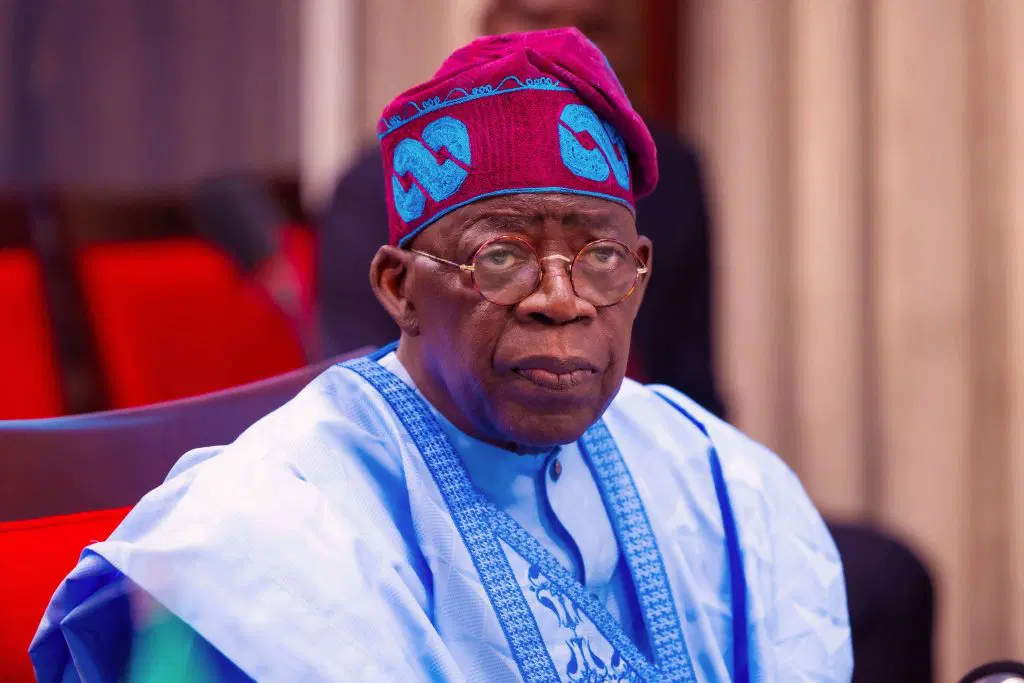

The Edo State Governor, Monday Okpebholo, has said he started casting out demons at the age of 17 or 18, while linking his early religious experience to his stance against insecurity and cultism in the state.
Okpebholo made the remark during a Sunday service at The VOTAGE Church, also known as The Voice of This Age, at the WINLOS Centre in Benin City. The video of his remarks resurfaced and began trending on social media on Tuesday.

“When I see young ones standing in the presence of God, I remember at the age of 17/18, I’ve also started casting out demons,” Okpebholo said.
He added, “So fighting insecurity, most especially cultism, is not a new thing to me. It’s something that has been happening.”
The VOTAGE Church confirmed the governor’s attendance at the service in a post on Instagram on Sunday, saying it was honoured to host him.

The church said the service was a time of prayer for the “peace, progress and prosperity of Edo State,” and thanked the governor for worshipping with the congregation.

Okpebholo also confirmed his attendance in a post on X, saying he worshipped at Living Faith Church on Sapele Road before later attending The VOTAGE Church in Benin City.
He said the congregation prayed for the continued peace and protection of Edo State, wisdom and strength for those entrusted with leadership, and God’s blessings on the people and families in the state.
Watch video here:
𝐕𝐈𝐃𝐄𝐎: 𝐈 𝐒𝐭𝐚𝐫𝐭𝐞𝐝 𝐂𝐚𝐬𝐭𝐢𝐧𝐠 𝐎𝐮𝐭 𝐃𝐞𝐦𝐨𝐧𝐬 𝐚𝐭 𝟏𝟕 – 𝐎𝐤𝐩𝐞𝐛𝐡𝐨𝐥𝐨
Credit: X | Vanguard
—
Follow us for more breaking news and videos pic.twitter.com/CslJqT5GYQ— Punch Newspapers (@MobilePunch) September 29, 2026

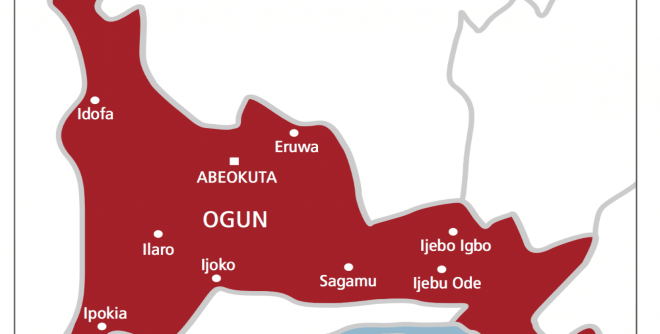
A man identified simply as Seyi has been killed by suspected cultists who allegedly mistook him for a member of a rival group at Ijako Market in Owode-Ijako, Ogun State.
The incident reportedly occurred on Wednesday, September 23, when suspected cult members stormed the area in search of another man identified as Dammy. A police source, who spoke on condition of anonymity because he was not authorised to comment publicly, told Punch the attackers arrived at a location behind the market and opened fire on Seyi.
“We got a report that the incident happened just behind the market. Some boys came to the market looking for a certain target. They got to the spot where the boys were, and they shot the victim,” the source said. The source also said the incident was believed to be connected to the drug trade, adding that police had begun investigating the killing and were working to identify and arrest those responsible.
An anti-cultism advocacy platform, Naija Confra, separately alleged that the attackers had been searching for Dammy when Seyi was killed. The group claimed Seyi was also attacked with an axe after being shot. “It was reported that as soon as the NBM attackers arrived, they echoed ‘Aye Axemen’ and mentioned Dammy’s name before someone was killed,” the platform said. “People initially thought it was Dammy who had been killed until they saw the body and realised it was Seyi.”


The National Association of Resident Doctors has given the Federal Government two weeks to resolve outstanding welfare and professional issues affecting its members, warning that failure to act could lead to industrial action. The ultimatum was contained in resolutions reached at NARD’s 46th Annual General Meeting in Calabar and presented by the association’s National President, Dr Emmanuel Ogar.
The resident doctors expressed concern over what they described as the slow implementation of agreements previously reached with the Federal Government, saying the prolonged delays had become unacceptable. NARD demanded urgent action on remuneration, career progression, professional allowances, excessive workload, manpower shortages and the general welfare of resident doctors. The association called for the immediate implementation of agreements reached with the government, particularly those relating to improved conditions of service and professional development.
It also urged the government to conclude the review of existing remuneration and professional salary structures for doctors, arguing that the current framework no longer adequately reflects prevailing economic conditions. NARD demanded appropriate compensation for doctors handling additional responsibilities because of manpower shortages in hospitals.
The association called for standardised templates for calculating compensation for excess workload, as well as reliable data to support payments to doctors performing duties beyond their normal responsibilities. It also raised concerns about attacks on healthcare workers and called for the full implementation of policies and anti-assault measures designed to protect doctors and other medical personnel in health facilities.
NARD said the continued migration of doctors and other healthcare professionals from Nigeria had worsened existing manpower shortages and increased pressure on those remaining in the country. The association urged the Federal Ministry of Health and Social Welfare to urgently address factors contributing to the migration of medical professionals.
State governments were also urged to prioritise the welfare of doctors and other healthcare workers employed by their institutions and ensure the implementation of relevant welfare policies. NARD called for improved infrastructure, adequate medical equipment and better working conditions in healthcare institutions, saying these measures were necessary to improve patient safety and healthcare delivery.
The association also urged the National Assembly to strengthen budgetary provisions for healthcare, stressing that adequate funding remained critical to addressing challenges facing the sector. It demanded the prompt payment of salaries and other entitlements owed to house officers and called for their inclusion in relevant welfare arrangements.
On the use of electronic clocking systems in hospitals, NARD said it was not opposed to the technology provided it was properly implemented and used to support accurate data management rather than as a punitive measure against medical personnel. The association said several agreements and commitments made by the Federal Government remained unresolved despite repeated meetings and assurances.
It therefore urged the government to use the two-week window to address the outstanding issues and prevent a breakdown of industrial harmony in the health sector. NARD said resolving the disputes would improve doctors’ welfare, reduce burnout and ultimately enhance the quality of healthcare available to Nigerians.
The association also elected new national officers at the meeting, with Dr Emmanuel Ogar emerging as president alongside other members of the National Executive Council. NARD urged the new leadership to pursue the implementation of its resolutions and maintain engagement with the government towards securing improved conditions of service for resident doctors.

NNPC Shocks Nigerians As Profit Skyrockets To N7.2tn, Remits N22.3tn

Tragedy In Captivity: Kidnapped Farmer Delivers Baby As Bandits Demand N94m Ransom

Tinubu Makes Big Move For Nigerian Researchers – Seeks Senate Approval For National Research Fund
74-Year-Old Ex-Kogi Senator Stuns Many As He Weds 18-Year-Old Lover

Tinubu Drops NDDC 2026 Budget Bombshell to Reps
SHOCKING: Edo Governor Reveals He Started Casting Out Demons At Age 17

Police Arrest Man Producing Fake Dry Gin In Akwa Ibom
Innocent Man K!lled In Ogun After Being Mistaken For Cultist
Nationwide Health Crisis Looms As Resident Doctors Issue 2-Week Strike Notice to FG

BREAKING: Nigeria Seeks Fresh $1.5 Billion World Bank Loan as Public Debt Hits All-Time High
-
 NEWS2 years ago
A MUST READ!! What Peter Obi Discussed With Atiku, Saraki, Lamido During Visits – Aide Reveals
-

 MUSIC5 years ago
MUSIC: Mohbad – Back Side [Free Download]
-

 MUSIC5 years ago
MUSIC: Papiwizzy – Oluwalonsola Ft Zlatan and Papisnoop [Download Mp3]
-

 MUSIC3 years ago
MUSIC: DEBHIE FEAT. EMMYBLAQ – TURN UP (DOWNLOAD HERE)