OPINION
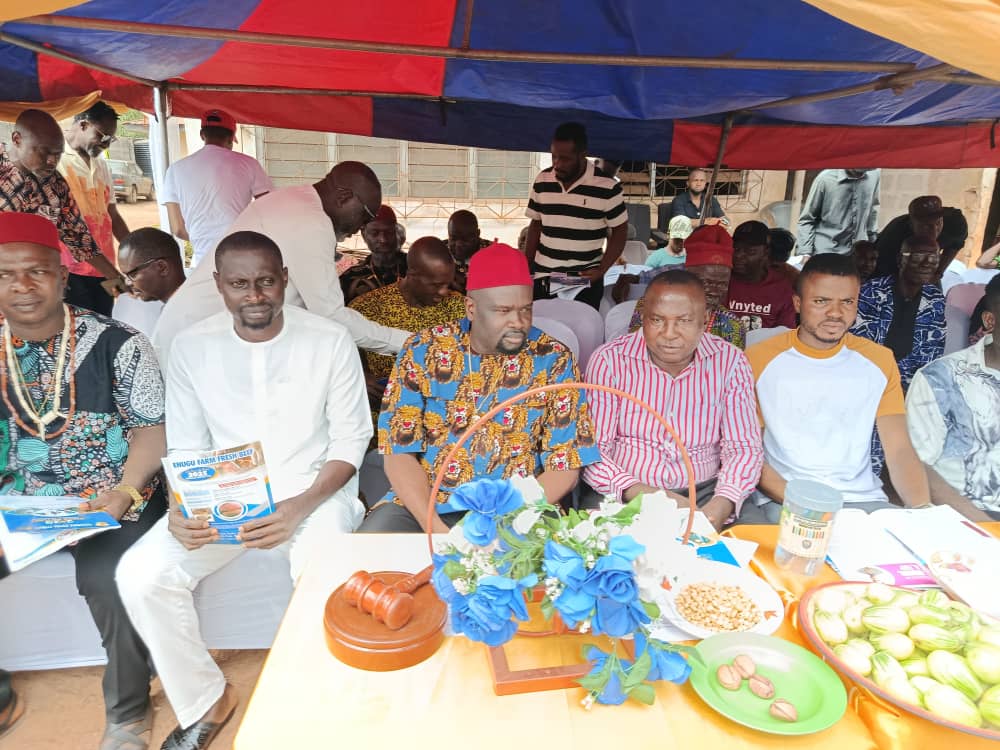
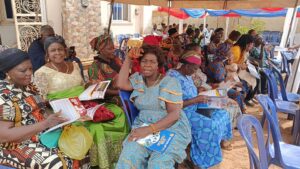
Umuigwe Royal Family Reaffirms Legacy of Service At 2025 Mass Return
OPINION
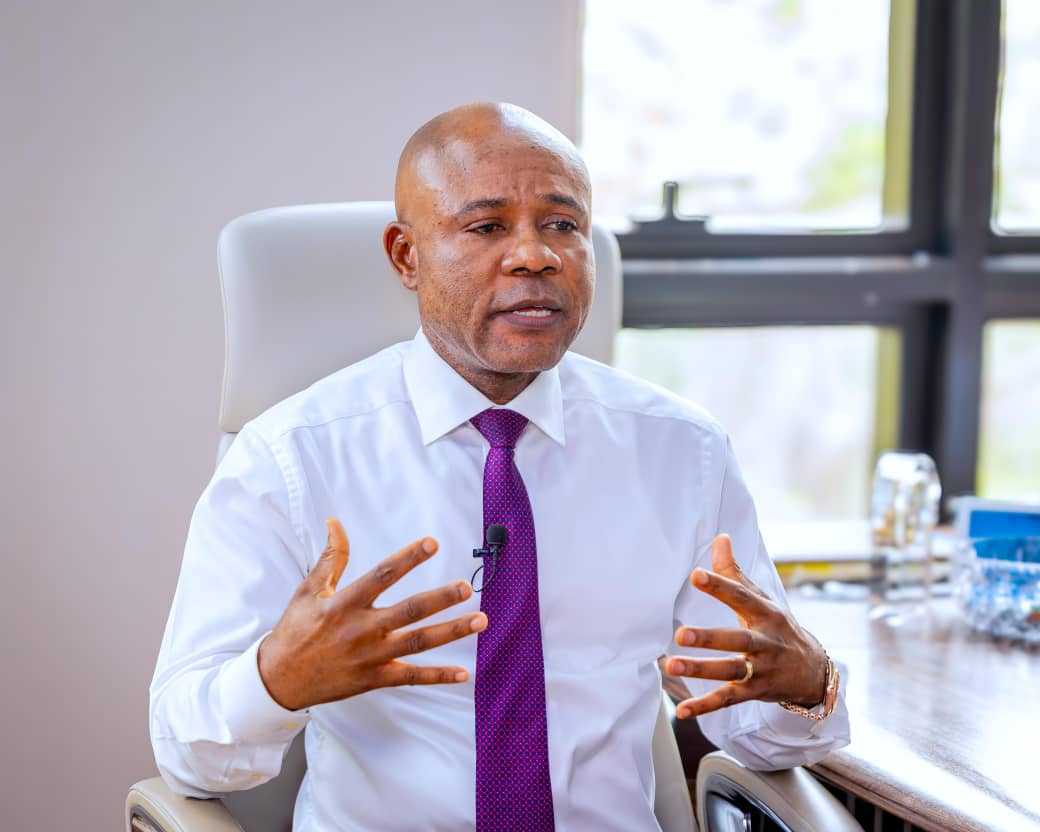
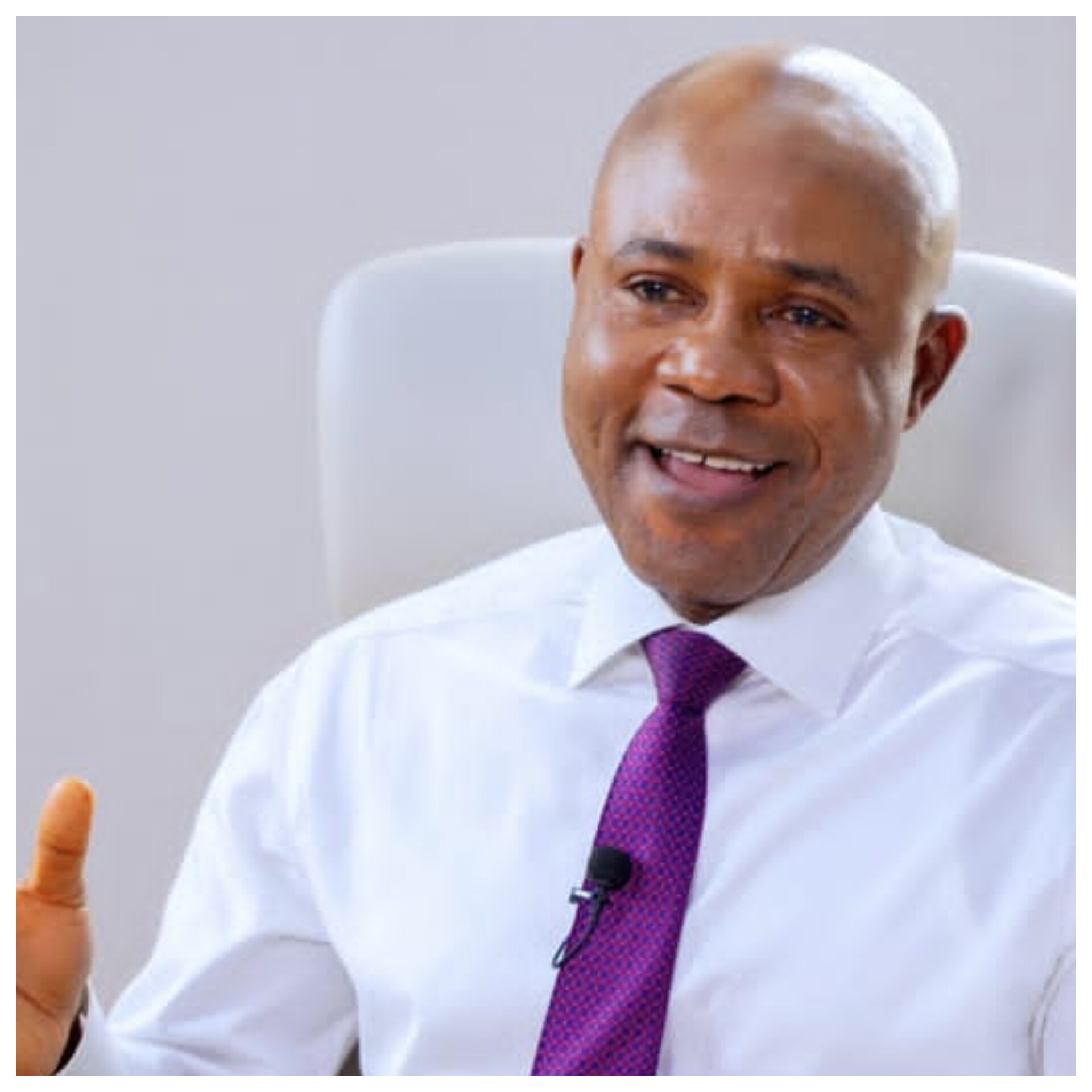
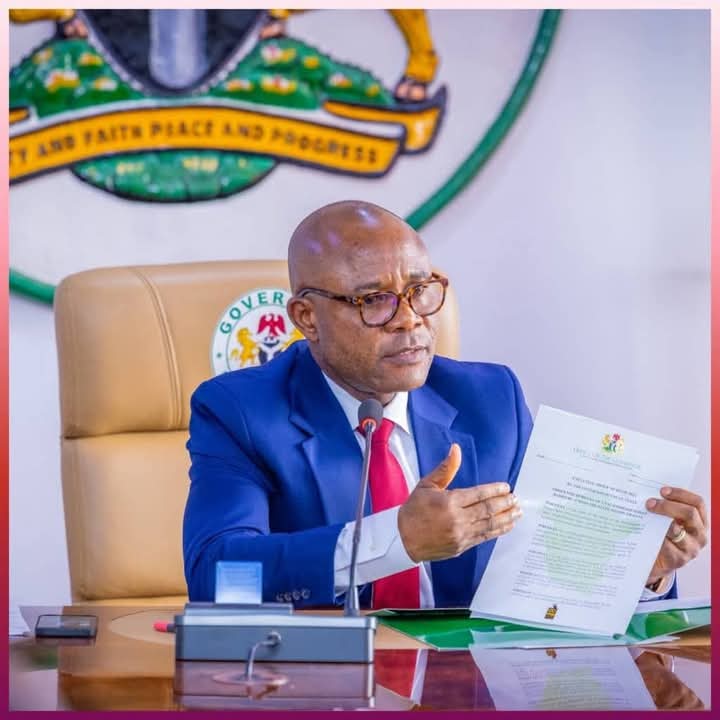
Mbah at 54: The Governor Who Refuses the Status Quo
When Peter Mbah assumed office in 2023, he did not present governance as a routine continuation of the past. Instead, he declared a philosophy that has since shaped the direction of his administration: Disruptive Innovation.
From the onset, Mbah made it clear that the old order would not define his leadership. His message to the people of Enugu State was direct — governance would be business unusual.
Two years later, that declaration has become the defining tone of an administration determined to challenge familiar patterns of public service and rebuild the machinery of government with the mindset of a modern enterprise.
Governing Like a CEO
Mbah approached office not simply as a political leader but as a chief executive determined to raise the standard of governance. His background in the private sector shaped his belief that government must operate with the discipline, urgency and strategic planning associated with successful corporate institutions.
The result has been an administration driven by clear targets, measurable outcomes and a relentless push to modernise state institutions.
One of the most striking manifestations of that philosophy is the Command and Control Centre, a technology-driven security hub that has placed Enugu among the most digitally monitored states in Africa. Widely regarded as one of the most advanced facilities established by a subnational government in sub-Saharan Africa, the centre integrates surveillance systems, rapid response coordination and data analysis to strengthen public safety across the state.
For Mbah, security is not merely about patrols and checkpoints; it is about building systems capable of anticipating and responding to threats in real time.
Reviving Dormant Assets
Another defining feature of the administration has been the decision to confront assets that had long fallen into disuse.
Across Enugu, several public investments that once symbolised economic promise had become dormant monuments to missed opportunities. Rather than abandon them, the government moved to restore them to productive life.
Today, Niger Gas Company Limited has resumed operations, providing industrial energy supply and reinforcing the state’s industrial ambitions.
At the same time, the iconic Hotel Presidential—once a landmark hospitality destination—has begun a remarkable transformation, returning gradually to the stature it once held as a symbol of Enugu’s economic vibrancy.
These efforts reflect a broader strategy: recovering public assets not only preserves history but also unlocks economic value.
A State Turned Construction Site
Drive through Enugu today and a striking reality emerges: the state has effectively become a construction site.
Road construction and reconstruction projects are unfolding across urban centres and rural communities alike. Major arteries are being rebuilt, while new corridors are opening communities that were once cut off from economic opportunities.
The administration sees infrastructure as more than physical development; it is the foundation for economic expansion. With improved road networks, agricultural communities gain easier access to markets, businesses benefit from smoother logistics, and new investment zones become viable.
In effect, each kilometre of road is designed to expand the state’s economic geography.
Smart Schools for the Next Generation
Perhaps the most ambitious social investment of the administration lies in education.
The government launched a bold initiative to build Smart Schools in every political ward across Enugu State. These schools are designed not simply as classrooms but as digital learning environments equipped with modern technology and facilities aimed at preparing students for a knowledge-driven world.
Some of these schools are already in use, providing early evidence of the transformation envisioned for the education sector. By placing technology at the heart of learning, the programme seeks to ensure that children from every community—urban or rural—have access to quality education that meets global standards.
Healthcare Closer to the People
Healthcare delivery has also seen a deliberate shift toward accessibility.
The establishment of Type II hospitals across communities is intended to ensure that residents can receive quality medical care without travelling long distances. These facilities are designed to bring affordable and efficient healthcare services closer to the people.
The approach reflects a broader philosophy: development should not remain concentrated in cities but must reach communities where citizens live and work.
Tackling the Water Challenge
One of the most persistent challenges faced by residents of Enugu has been access to reliable public water supply.
The administration set an ambitious target during its first months in office—to generate sufficient water for the state within 180 days. That goal was achieved. Yet, the government acknowledged that production alone was not the main challenge.
The greater task lay in reticulation, the complex network required to deliver water from treatment plants to homes and neighbourhoods.
Today, that work is unfolding rapidly. Areas such as Trans Ekulu, parts of Abakpa, Independence Layout and several other communities that have long lived without public water supply are witnessing the laying of new pipelines.
In addition, the government has begun replacing aging asbestos pipes with stronger and healthier alternatives designed to support a modern distribution system.
Within the coming months, many observers believe the water story in Enugu could take on a dramatically different shape.
Workers and Economic Confidence
Beyond infrastructure and public services, the administration has also paid attention to workers’ welfare.
Enugu has emerged as one of the states paying wages above the national minimum wage benchmark, a move that signals the government’s commitment to improving living standards and stimulating economic activity within the state.
For many civil servants, it represents both recognition of their contribution and a practical step toward economic stability.
The Meaning of 54
As Governor Peter Mbah marks his 54th birthday, the narrative surrounding his leadership is one of ambition, urgency and refusal to accept the limitations of the past.
His administration is built around a clear belief: that governance must challenge existing boundaries and pursue possibilities that once seemed distant.
Whether through technology-driven security, revived public assets, new infrastructure corridors, modern schools, expanded healthcare or renewed water systems, the message behind the policies remains consistent.
For Mbah, leadership is not about preserving the familiar. It is about reshaping the future.
And at 54, the governor appears determined to continue proving that in Enugu, the status quo is no longer an option.
Clinton Umeh
A Public Affairs Analyst Writes from Enugu
NEWS
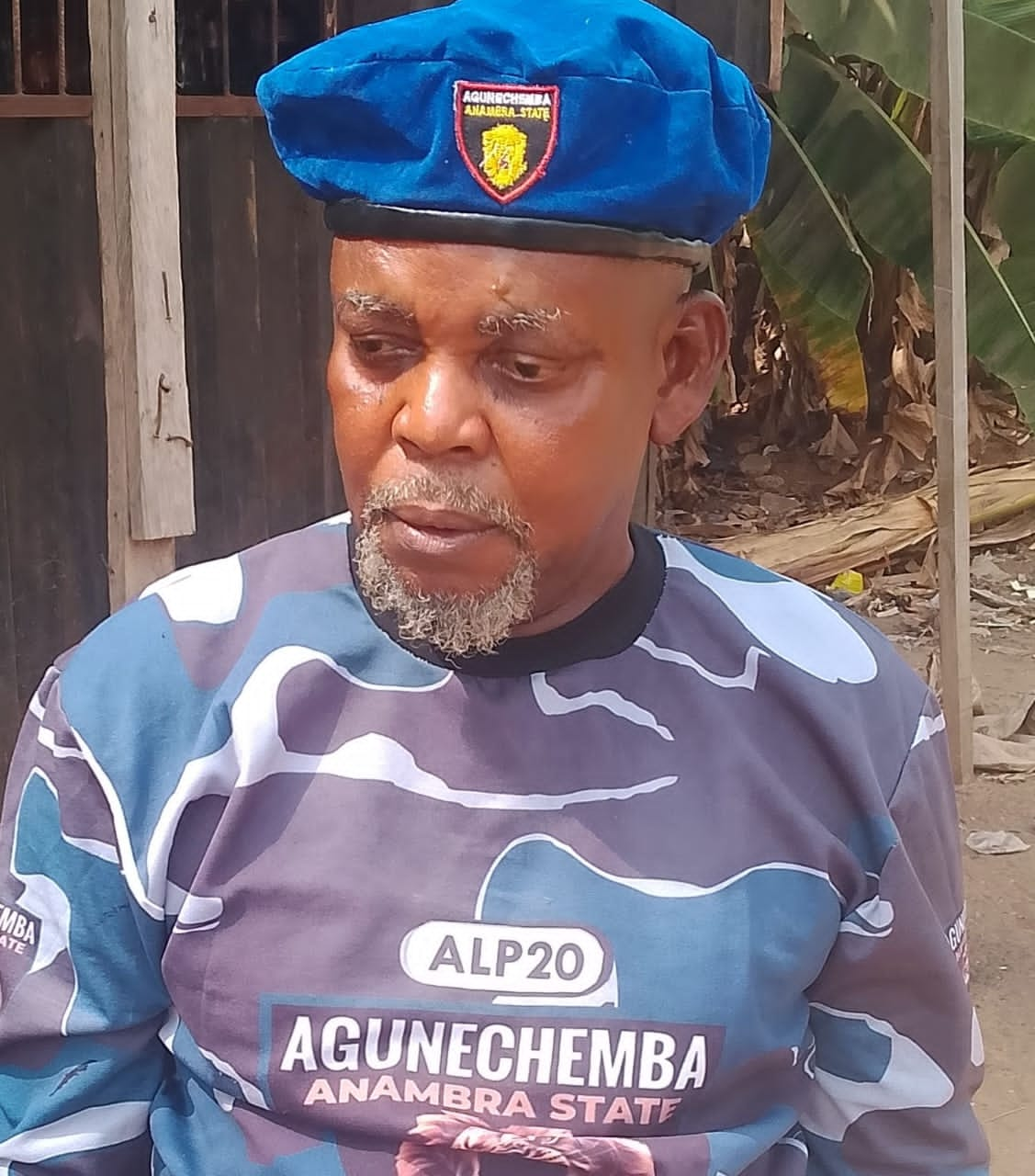
How Gov. Soludo’s Strategy Is Tightening the Noose on Criminals — Agunechemba Media Publicity Secretary, Chief Sir Nweke Nweke Speaks
By Ifeanyi Ndukwe (Saint), Awka
In recent months, the security narrative in Anambra State has taken a remarkable turn. Once plagued by fears of kidnappings and violent attacks, the state witnessed a noticeably calmer atmosphere during the festive season, especially throughout the Christmas and New Year celebrations.
Behind this renewed confidence, according to security insiders, lies a deliberate and coordinated strategy spearheaded by the administration of Prof. Charles Chukwuma Soludo.
In this exclusive interview, the Media Publicity Secretary of the security outfit Agunechemba, of the Udo gachi Unit, Chief Sir Nweke Nweke, speaks candidly on the evolving security architecture, the governor’s proactive leadership, the role of community intelligence, and the ongoing battle against criminal elements across the state.
Below are excerpts…
There has been noticeable improvement in security in Anambra, especially during the last Christmas and New Year celebrations. What accounts for this progress?
The improvement did not happen by accident. It is the result of strategic leadership and deliberate investment in security by the government of Governor Prof. Charles Soludo.
The governor is extremely security-conscious. He understands that safety is the foundation for economic growth and social stability. His administration integrated various security agencies and provided them with modern tools and operational support.
Because of this coordinated effort, we were able to maintain relative peace across the state during the festive period when criminal activities usually spike.
What specific measures has the government taken to strengthen the security architecture?
The government has invested heavily in sophisticated security equipment and logistics. While some operational details must remain confidential for security reasons, I can confirm that modern digital systems and surveillance tools have been deployed.
In addition, plainclothes personnels popularly referred to as “Underdogs” have been strategically positioned to gather intelligence and monitor suspicious activities across communities.
This combination of technology and human intelligence has significantly enhanced our operational efficiency.
Community cooperation is often critical in security operations. How are residents contributing to this effort?
Community involvement is extremely important. Security cannot succeed without the cooperation of the people.
Unfortunately, there have been cases where some community members provide information to criminals. Such betrayals sometimes trigger hostilities, particularly in places like Ihiala.
However, despite these challenges, the government operates an effective intelligence network. Our system works like a secret service, gathering information quietly and verifying it before taking action.
We encourage citizens to support security agencies by providing credible information that will help us protect lives and property.
How does the government respond to cases like kidnapping or high-profile crimes?
The strategy is simple but effective; speed and precision.
Whenever credible information about kidnapping or organized crime reaches the authorities, the government ensures swift response through coordinated security operations. The aim is always to disrupt criminal networks before they escalate their activities.
The message is clear: criminals cannot operate freely in Anambra.
There have been concerns about manpower shortages. Are there enough security personnels to cover the entire state, especially rural communities?
Manpower remains one of the biggest challenges, not only for us but also for conventional security agencies such as the police and the army.
Security work requires enormous human resources, and the available personnel are often stretched across multiple operations.
However, Governor Soludo is making deliberate efforts to address this gap by encouraging volunteers to support the security architecture. This is a sacrificial duty, and those who join understand the risks involved.
Despite limited resources, our officers remain committed to protecting the people.
How difficult is the battle against criminal elements under these constraints?
Fighting crime with limited resources can sometimes feel like the biblical story of David and Goliath.
But what matters most is courage, intelligence, and determination. Our officers are highly motivated, and we rely heavily on strategic intelligence to outmaneuver criminal groups.
With the governor’s continued support and the resilience of our personnel, we are gradually winning the fight.
What final message would you like to send to residents of Anambra State?
The people should remain vigilant and law-abiding. The director of Anambra State Vigilante, Chief Sir Ken Emeakayi and His Excellency, Prof. Charles Soludo are solution driven to curb social vices.
The security framework in Anambra is comprehensive and constantly evolving. Criminals should understand that there is no safe hiding place for them anymore.
The law will always catch up with anyone who threatens the peace of the state.
#ProlificStarMedia
#ProlificStarTV
#StrekMagazine
#OjukwuIgboTV
#AprokoRepublic
#AnambraSecurity
#SoludoAdministration
#Agunechemba
OPINION
Neighborhood Watch and Vigilante Groups: Strengthening the Future of Community Policing in Nigeria

Neighborhood Watch security outfits and community vigilante groups are critical components of effective community policing in Nigeria when they are properly constituted and professionally managed. These groups operate at the grassroots level and are most effective when every section or village component of a community is adequately represented. Their effectiveness is further enhanced when reputable individuals with verified backgrounds, integrity, and commitment to public service are selected.
Neighborhood Watch groups provide valuable services, particularly when they remain independent and are not hijacked by political interests, land grabbers, or individuals pursuing personal agendas. Additionally, fair and regular remuneration is essential to maintain their integrity and reduce the risk of compromise by criminal elements seeking to influence their operations.
Functions and Contributions
Neighborhood Watch personnel play a proactive role in maintaining peace and security within communities. As members of the community, they are well positioned to observe daily activities and detect early signs of suspicious behavior, disorder, or incivilities. They serve as the “eyes and ears” of both the police and community leadership by promptly reporting unusual or criminal activities for appropriate investigation and preventive action.
This proactive approach significantly contributes to crime prevention, as potential threats can be identified and addressed before escalating into major incidents. Furthermore, Neighborhood Watch groups assist law enforcement agencies in investigating crimes that have already occurred by providing local intelligence, eyewitness accounts, and relevant community insights.
Their presence also enhances public safety during social events, festivals, and community gatherings. They help organize and safeguard vehicles, maintain order, and facilitate the smooth movement of people, thereby promoting a sense of security and confidence among residents.
Challenges Facing Community Policing in Nigeria
Despite its importance, community policing in Nigeria has not functioned as effectively as intended due to several systemic challenges, including inadequate training, insufficient funding, and corruption. These factors have undermined public trust and reduced operational efficiency.
Corruption, in particular, remains a significant obstacle. When individuals in positions of authority engage in corrupt practices without consequences, it weakens the rule of law and discourages accountability. This environment negatively affects both formal law enforcement agencies and community-based security structures such as Neighborhood Watch groups.
Additionally, insecurity challenges such as kidnapping, banditry, and communal conflicts have further strained the policing system. Addressing these problems requires strong political will, institutional reforms, and leadership committed to justice, accountability, and the rule of law.
The Way Forward
For Neighborhood Watch and community policing initiatives to succeed, several measures must be implemented:
Proper recruitment based on integrity, competence, and community trust.
Adequate training in security awareness, human rights, and intelligence gathering.
Fair and regular remuneration to ensure professionalism and reduce corruption risks.
Clear operational guidelines and accountability mechanisms.
Strong collaboration between community groups, traditional leaders, and formal law enforcement agencies.
Strict enforcement of laws, with equal consequences for all offenders regardless of social or political status.
Conclusion
When properly structured, supported, and supervised, Neighborhood Watch groups can significantly enhance community safety, strengthen crime prevention, and complement formal policing efforts. Ultimately, effective community policing promotes public trust, social stability, and sustainable development.
Dr. John Egbo is a retired Deputy Sheriff from the United States of America.
NEWS
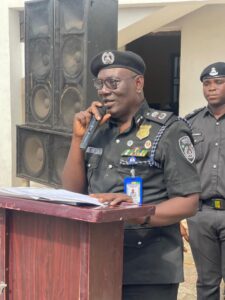
Anambra: Police command addresses students on safety
By Chuks Collins, Awka
o
The Anambra State Police command has stepped up it’s community policing teachings with interaction with schools
The package includes personal/corporate safety, and crime prevention strategies.
The Command while engaging the students and their school authorities on Tuesday, 11th February 2026, in an interactive session focused on school safety, personal security awareness, and crime prevention.
During the season the Assistant Commissioner of Police (Operations Department) Assistant Commissioner of Police (ACP) Oruru Harrison enlightened the students of Sacred Heart Academy Ifite Ogwari, in Ayamelum Council area of the State on the dangers of cultism, drug abuse, bullying, cybercrime, and other social vices.
He emphasised the importance of vigilance, responsible conduct and prompt reporting of suspicious activities in and around the school premises.
The Command encouraged students to imbibe positive relationships with law enforcement agencies and reassured them of the readiness of the police to respond swiftly to distress calls and security concerns affecting educational institutions.
The Police command also urged school administrators to strengthen internal security measures and maintain close collaboration with security agenciesbso as to proactively address potential threats.
The Command remains steadfast in its resolve to safeguard schools and create an enabling environment for academic excellence across the State.

NEWS
We are ready to purchase expression of Interest Form for Tinubu – SSMN
…..vows to mobilize 50,000 student voters
By Uchenna Ezeadigwe, Awka

Anambra State Students, acting under the auspices of the Solution Student Movement of Nigeria, Anambra state chapter, have declared their intention to contribute money to buy the “Expression Of Interest Form” for President Bola Ahmed Tinubu to contest for a second term in office in 2027.
The group also said that they were ready to mobilise over 50,000 youths and students for his second term endorsement rally, adding that President Tinubu has proved within the last three years to be genuine a progressive worthy of their support.
The convener and student leader who is the Special Assistant to Governor Soludo on Student Matters, Hon Okoye Mathew Okpala (Nwa Soludo) made this known during a student meeting, held at theETF hall of Chukwuemeka Odumegwu Ojukwu University, (COOU) Igbariam campus, Anambra State, on Saturday, 14th Feb, 2026 to deliberate on the Theme: “Discovering Purpose and Working in Ordination 2026″.
According to Okpala, their primary interest had been and would remain the welfare, advancement and protection of students’ interests above any other consideration.
To them, Leadership he said, is about policies that directly impact the lives of the people, a reason he stressed the students were in clear and unwavering support of President Tinubu’s Second term in the 2027 general elections.
Under Tinubu’s leadership, Nigerian students he said had witnessed a historic intervention in the education sector through the Nigerian Education Loan Fund (NELFUND).
The approval of the zero-interest students’ loan scheme policy he noted has become a lifeline for over 983,706 Nigerian students who had already benefited with more than ₦183 billion disbursed so far. “This is not a promise for tomorrow; it is a reality happening today.”
“For years, many brilliant young Nigerians were forced to abandon their dreams, not because they lacked intelligence, but because they lacked financial support.
“Some deferred admissions. Some dropped out. Some never returned to school. The zero-interest loan scheme restores dignity, opportunity, and hope to thousands of families across this nation.That is inclusive leadership”, he said.
He stressed that President Bola Ahmed Tinubu has demonstrated that students are not an afterthought in governance and by investing in education financing and working towards economic stabilization, had shown he understands that the future of Nigeria lies in the classrooms, laboratories, and lecture halls of today.
“On the other hand, we have heard statements from Peter Obi suggesting that the students’ loan scheme would be halted if he is elected. As someone whose responsibility is to defend students’ interests, I must ask: what happens to the hundreds of thousands of beneficiaries? What happens to the students who are relying on this support to complete their degrees?
“What happens to those who finally found hope after years of financial hardship?.”
“If we truly care about students, we must protect policies that expand access to education not dismantle them. Even beyond politics, compassion demands that we acknowledge the painful history of students who were unable to further their education due to school fees and upkeep challenges”, he said.
Comrade Okoye, however noted that the students support for Tinubu was not based on sentiment, but on measurable impact, adding that as students they will always stand with policies that keep them in school, reduce financial burden, and secure their academic future.
For these reasons, he said the students from the zone proudly support President Bola Ahmed Tinubu for the next election, because leadership must be measured by what it does for the people, especially for the youth who embody the future of the nation.
The students he emphasized must continue to choose progress, opportunity, and inclusive leadership above any other consideration.
NEWS
Insecurity: Anambra, Imo border communities cry out as killings happen again
….Lilu, Orsuihiteukwa seek FG, States intervention
By Clems Iheme, and C Collins. who was at Orsuihiteukwa/Lilu

Two Anambra and Imo states communities bordering each other -Lilu (Ihiala LGA) and Orsuihiteukwa (Orsu) respectively have raised the alarm over recent more killings in their communities.
The outcry led by youths of these neighboring communities specifically fingered a previously booming location unfortunately baptized ‘Murder Valley’ by the gunmen as the main black spot and operational base of the murderous gangsters who have extinguished every form economic lives, decorum, and sanity but replaced it with the guns, and language of the jungle where might was power.
The location named Udeke by their ancestors according to history was renamed by these hoodlums as it has sadly became a spot where they do the absurd. They reportedly rape, rob, kill, maim and carry out human sacrifices for years now.
The Orsuihiteukwa Youths/the young-at-heart in the community led by Orsuihiteukwa Gadinma Ozo took select team of local/foreign based journalists, historians, anthropologists and documentarians to see things for themselves.
While addressing the visitors, the spokesperson for the community who gave his name simply as “Chukwuebuka”, noted that he’s presently keeping his full name under cover now for obvious security reasons said they were tired of running away from their homeland.
Chukwuebuka, like Lilu in Ihiala Council of Anambra State, lamented that “it was indeed doubtful if the Imo State governor, Senator Hope Uzodinma and the State Assembly still recognized Orsuihiteukwa and other neighbouring communities now daily soaked in blood as part of Imo State.”
He bemoaned the sad situation where the historical popular Eke Ututu market which hitherto drew patrons from all corners of the world become a wild forest in the last six years when insurgency started in the area.
Barrister Chukwuebuka told the visitors that majorly two villages of Orsu and Uda were the worst hit as almost the entire residents were driven out of their ancestral abode.
Moreso, all the major access roads, farmlands, bushparts, etc have been laced with deadly landmines. And needs military sweep as it has been decimating unsuspecting natives.
Toeing the same line of Lilu who intermarried, attends schools, churches in each other’s community asked the State government, ‘Is Orsuihiteukwa still part of Imo State? Where has our share of revenue allocation, appointments and other democracy dividends been going?
According to a resident who mustered enough courage to speak to the visiting team, the Federal and two States governments have failed us and our children.

OPINION
Gov. Peter Mbah’s Investment In Security Sets A New National Benchmark
Governor Peter Mbah’s deliberate and strategic investment in security infrastructure and intelligence-led operations is producing measurable, sustainable and unprecedented outcomes for Enugu State. By clearly recognising security as the bedrock of effective governance, economic growth and social stability, the administration has shifted decisively from reactive policing to a proactive, preventive and technology-driven security architecture.
Central to this transformation is the deployment of integrated surveillance systems, including smart high-definition cameras across key public spaces, supported by real-time intelligence and command platforms. These systems allow for rapid data processing, situational awareness and informed decision-making, enabling security agencies to act before threats escalate.
The introduction of drones equipped with thermal imaging technology has further strengthened night-time surveillance, border monitoring and the disruption of criminal hideouts, particularly in difficult-to-access terrain. These advanced tools are complemented by a coordinated rapid-response framework that enhances deterrence and ensures swift intervention.
Specialised distress-response patrol units have been strategically positioned across the state, supported by improved patrol mobility and centralised command-and-control systems comparable to global best practices. The result has been a marked reduction in response times and a significant improvement in operational precision.
The impact of these reforms is evident. Enugu State is witnessing a resurgence of economic activity and the return of many indigenes, reflecting renewed public confidence in safety and stability. From an institutional perspective, the reforms have strengthened early threat detection, improved intelligence-to-action conversion and enhanced inter-agency collaboration among the Nigeria Police Force, the military, the Department of State Services (DSS) and local security formations.
The outcome is a more coherent, intelligence-driven and results-oriented security ecosystem capable of anticipating and neutralising threats before they escalate.
From a public policy and economic governance standpoint, the security reforms have generated substantial positive spillovers. Improved safety indicators have translated into renewed investor confidence, longer business operating hours, stronger protection of critical infrastructure, higher internally generated revenue and the stabilisation of commercial activities along major transport and economic corridors.
Communities previously affected by insecurity are experiencing a return to normalcy, while urban centres are benefiting from safer public spaces and an improved quality of life.
Crucially, the Enugu experience demonstrates that sustained capital investment in modern security systems when combined with data analytics, professional training and institutional coordination yields high returns in crime prevention, economic resilience and social order. Rather than relying solely on manpower expansion, the administration’s emphasis on technology and intelligence has improved efficiency, reduced long-term costs and strengthened accountability within the security sector.
The reopening of Enugu’s bus terminals further underscores the administration’s commitment to securing the state’s mass transit system. With full operationalisation, recurring incidents of so-called “one-chance” robberies are expected to be eliminated, reinforcing public trust in safe transportation and mobility.
In policy terms, the Enugu security model offers a scalable and replicable framework for other states. It represents an evidence-based approach to internal security management, underscoring the importance of aligning security investment with development planning, performance measurement and governance transparency.
At a time when insecurity remains a major constraint to sub-national development in Nigeria, Enugu State stands out as a compelling example of how strategic security reform functions not as a cost centre, but as a critical enabler of sustainable development and good governance.
OPINION
THE EAGLE CONTINUES TO SOAR: GOVERNOR MBAH’S TRANSFORMATIVE LEADERSHIP IN ENUGU STATE
Enugu State is experiencing a decisive and far-reaching transformation under the visionary, results-driven leadership of Governor Peter Ndubuisi Mbah. What clearly distinguishes this administration is not eloquent promises or political rhetoric, but an uncommon clarity of purpose, urgency of execution, and demonstrable outcomes. Across security, infrastructure, education, transportation, and digital innovation, Enugu is steadily reclaiming its stature as a benchmark for purposeful governance in Nigeria.
Governor Mbah has captured his governing philosophy with refreshing candour: “We did not come to manage decline; we came to build a productive, competitive, and prosperous Enugu State.” This philosophy has translated into swift, deliberate action across every sector of public administration.
Security: Intelligence-Driven Policing as a Development Enabler
Security stands as one of the most defining pillars of the Mbah administration. Recognising that sustainable development cannot flourish in an atmosphere of fear or uncertainty, the government has deployed an advanced, intelligence-led security architecture across the state. Surveillance cameras strategically positioned in key locations have significantly improved crime detection, deterrence, and rapid response.
This system is reinforced by modern patrol vehicles, a highly responsive Distress Response Squad (DRS), and drones equipped with thermal imaging technology. Together, these assets have enhanced night operations, strengthened forest surveillance, and disrupted criminal networks.
As the Governor aptly observed, “Security is the foundation of development. Without safety, investment, education, and prosperity cannot thrive.” The results are unmistakable. Enugu State is now widely regarded as one of the safest states in the country.
Security analysts note that the state’s investments in modern crime-fighting infrastructure are yielding disproportionate benefits—boosting investor confidence, enabling night-time economic activity, and restoring public trust in law enforcement institutions.
This success has attracted national attention. President Bola Ahmed Tinubu recently enlisted Governor Mbah and his security team to contribute to federal initiatives aimed at upgrading Police Training Colleges nationwide, underscoring Enugu’s emergence as a reference point in internal security governance. Indeed, the adage that “a goldfish has no hiding place” rings true.
Tourism and Legacy Infrastructure: Unlocking Dormant Value
The Mbah administration has also confronted long-neglected public assets, transforming symbols of decay into engines of growth. Landmark projects such as Hotel Presidential, the International Conference Centre, and the Enugu State Niger Gas Company, once moribund are being revitalised and repositioned as catalysts for tourism, investment, and job creation.
According to the Governor, “Every idle public asset is a lost opportunity for jobs, revenue, and pride. Our duty is to unlock their value for the people.” These interventions are expected to generate thousands of jobs, expand internally generated revenue, and deepen private-sector participation in the state’s economy.
A Transportation Revolution
Enugu’s transportation landscape has undergone an unprecedented overhaul. The launch of Enugu Airline has placed the state firmly on the national aviation map, enhancing connectivity and easing access for investors and visitors alike.
In addition, ultra-modern bus terminals are redefining inter- and intra-city transportation, easing congestion around major commercial hubs in Enugu and Nsukka. To ensure order and safety, all buses, tricycles, and taxis operating along terminal corridors are now required to load and offload strictly within designated terminals.
Complementing these reforms is the approval of an unprecedented number of urban and rural road projects, significantly improving mobility, commerce, and security across the state. As Governor Mbah has emphasised, “Roads are not just concrete; they are pathways to opportunity, security, and shared prosperity.”
Reawakening Governance and Fiscal Discipline
Governor Mbah has reinvigorated public service delivery by replacing bureaucratic inertia with a performance-driven governance culture. Ministries, departments, and agencies now operate under clearly defined timelines, benchmarks, and measurable deliverables.
Fiscal discipline remains central to this governance model. Public funds are deployed strategically toward projects with enduring economic and social returns. As the Governor consistently reminds his team, “Public funds are sacred. Every naira must work for the people.”
Human Capital and Digital Transformation
At the core of Enugu’s transformation agenda lies a deep commitment to human capital development. The state is deliberately positioning itself as a future hub for information technology and digital innovation, supported by expanding broadband infrastructure, digitised public services, and youth-centred technology initiatives.
Education has emerged as a flagship sector. Smart schools equipped with modern digital learning tools are becoming the standard, while continuous retraining of teachers ensures alignment with global best practices. These reforms are preparing Enugu’s children for a competitive, technology-driven future. As Governor Mbah rightly asserts, “Our people are our greatest asset. Infrastructure without skilled human capital is an empty shell.”
Raising the Leadership Bar
Governor Peter Mbah has set a new benchmark for leadership—defined by competence, urgency, discipline, and results. The dividends are evident: improved quality of life, renewed investor confidence, and a growing sense of optimism among residents.
Notably, Enugu indigenes in the diaspora are returning home in increasing numbers, drawn by visible infrastructure, improved security, and expanding economic opportunities. As one returning professional observed, “For the first time in decades, Enugu feels ready for the future.” Reflecting on this renewed confidence, the Governor remarked, “When governance is serious, investors listen, citizens believe, and the diaspora returns home.”
Indeed, the Eagle is not merely flying, it is soaring. Across Enugu’s rolling hills, a new song is being sung: one of purpose, confidence, and possibility. With Governor Mbah’s bold, disruptive, yet people-centred innovations, Enugu’s tomorrow is no longer distant it is firmly here.
OPINION
NG-CARES In Enugu: Empowering Communities, Restoring Livelihoods
By Grace Okenwa
Enugu State is increasingly being recognised as one of Nigeria’s strongest performers in the implementation of the Nigeria COVID-19 Action Recovery and Economic Stimulus (NG-CARES) programme, with beneficiaries across several communities attesting to its far-reaching impact.
During recent field interviews conducted by an Abuja-based documentary team, beneficiaries shared compelling testimonies of renewed hope, improved livelihoods, revived businesses, and enhanced socio-economic stability.
For smallholder farmers, petty traders, and nano-entrepreneurs, NG-CARES has emerged as a vital support system. Many beneficiaries recounted how the intervention enabled them to restart stalled businesses, expand income-generating activities, and gradually achieve economic independence.
The Honourable Commissioner for Budget and Planning and Chairman of the State CARES Steering Committee, Hon. Barr. Chris-Roberts Ozongwu, described NG-CARES as a targeted economic recovery intervention designed to cushion the effects of economic shocks on poor and vulnerable groups.
He explained that community-based assessments were conducted to ensure that all interventions were needs-driven and selected by the beneficiaries themselves.

Hon. Barr. Chris-Roberts Ozongwu, Commissioner For Budget and Planning, Enugu State
According to him, the programme operates through three delivery platforms:
Community and Social Development Agency (CSDA – Result Area 1): providing water, sanitation, health and education infrastructure;
Fadama (Result Area 2): delivering agricultural inputs and assets, and rehabilitating rural farm roads, irrigation facilities and aggregation centres;
SME Component: offering financial support to nano, micro, small and medium enterprises.
He added that Enugu State currently maintains a performance scorecard of over 90 per cent.
The Head of the State CARES Coordinating Unit (SCCU), Mr. Christian Nwankwo, reaffirmed that robust oversight mechanisms are in place to ensure strict compliance with operational guidelines.
He expressed satisfaction with field reports and noted the consistent appreciation shown by beneficiaries across communities.
Similarly, the Speaker of the Enugu State House of Assembly, Rt. Hon. Calistus Uche Ugwu, described NG-CARES as timely, transparent and highly impactful.
He stated that the legislature fully aligns with the programme’s objectives and remains committed to supporting its sustained implementation for the benefit of genuine grassroots beneficiaries.

RT. Hon. Calistus Uche Ugwu, Speaker Enugu State House of Assembly
Significant impact was also recorded under Result Area 2 (Fadama). In Ikpa Nsukka Local Government Area, the traditional ruler, HRH Igwe Dr. Ejike Jude Asadu (Igwe Eze Amaiwe I of Umuoyo Autonomous Community), expressed profound appreciation to the Enugu State Government under the leadership of Dr. Barr. Peter Mbah, as well as the Federal Government, NG-CARES and the World Bank.
He noted that the rehabilitation of the Ikpa Nsukka farm road has drastically reduced transportation costs and improved farmers’ access to markets.
Farmer groups in Nenwe and Umuozzi communities also commended the delivery of farm inputs and agricultural assets, which they said have significantly boosted productivity and incomes.
Under the CSDA and SME platforms, communities reported improved access to clean water, safer learning environments and revitalised small businesses. At Government Technical College, Igugu, the provision of a borehole and perimeter fence enhanced water supply and school security.
Traders such as Mrs. Ugwuja Oluchi of Ede Oballa described the SME cash support as a major turning point for their businesses.
Across all locations visited, the message was consistent: NG-CARES is touching lives, restoring hope and driving sustainable grassroots development in Enugu State.
Grace Okenwa writes from the Enugu State Ministry of Information.
-
NEWS2 years agoA MUST READ!! What Peter Obi Discussed With Atiku, Saraki, Lamido During Visits – Aide Reveals
-

MUSIC4 years agoMUSIC: Mohbad – Back Side [Free Download]
-

MUSIC4 years agoMUSIC: Papiwizzy – Oluwalonsola Ft Zlatan and Papisnoop [Download Mp3]
-
MUSIC2 years agoMUSIC: DEBHIE FEAT. EMMYBLAQ – TURN UP (DOWNLOAD HERE)