
NEWS
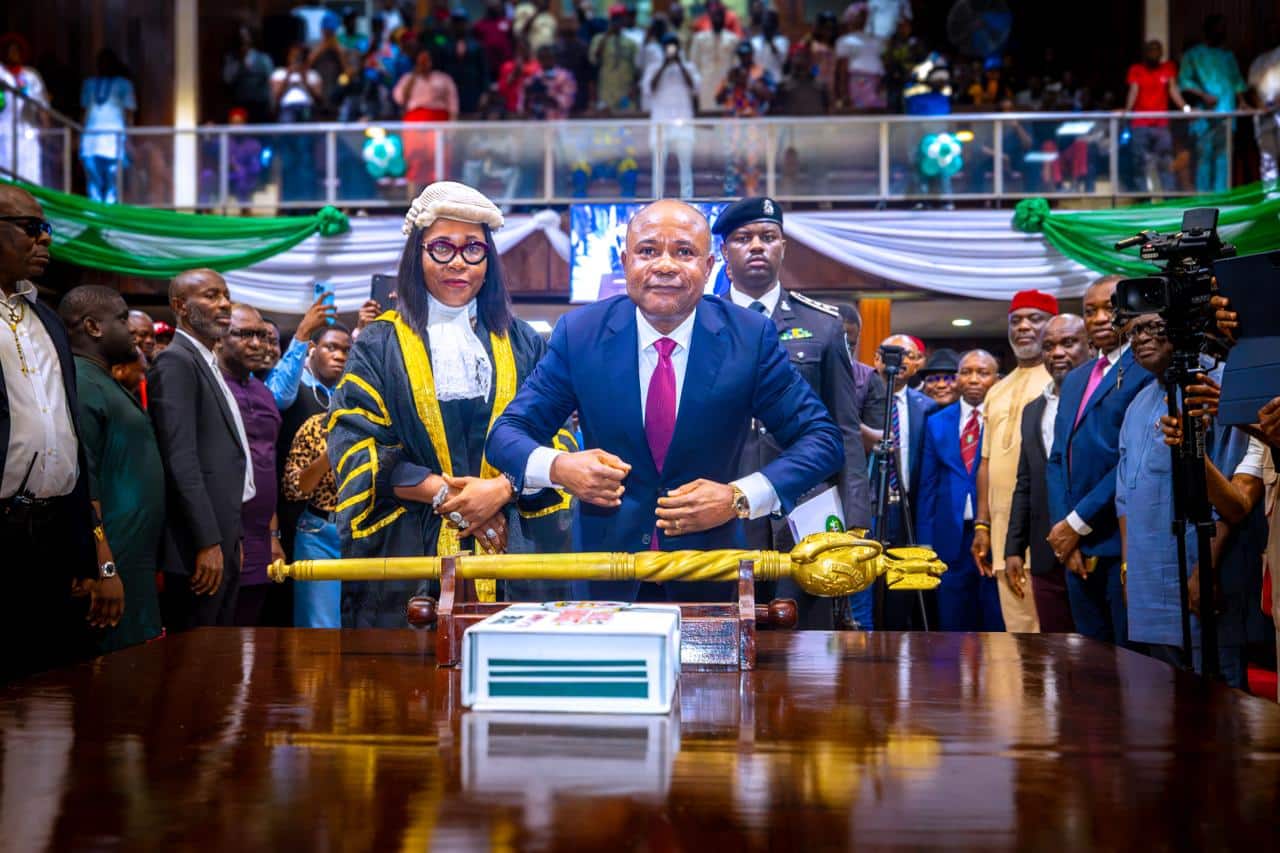
Enugu Assembly Approves ₦1.62 Trillion 2026 Appropriation Bill




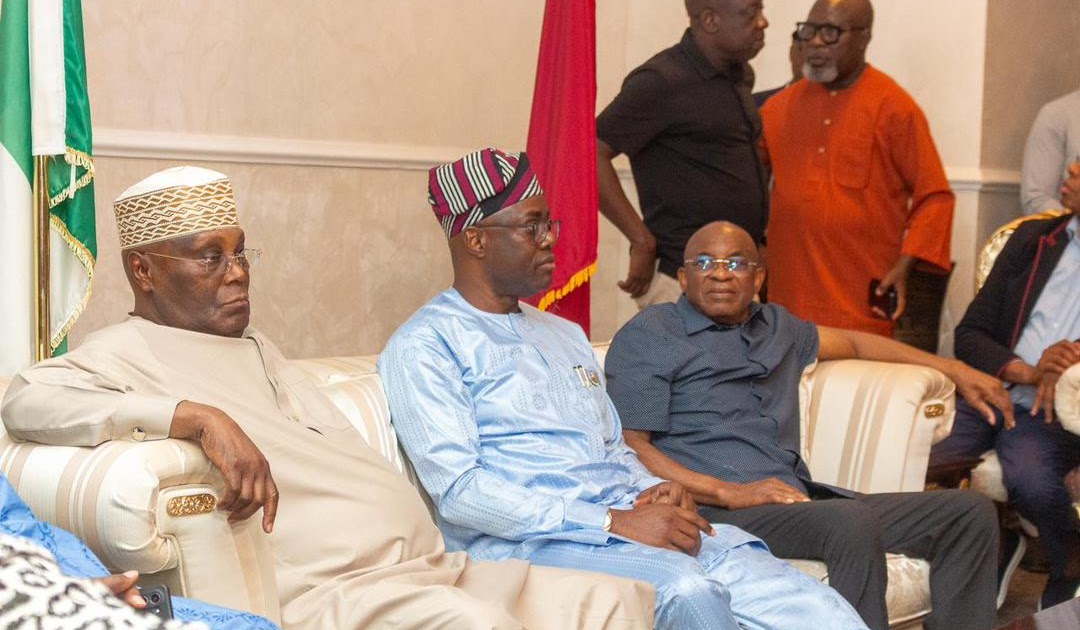
A faction of the African Democratic Congress (ADC) led by
David Mark is meeting with the Peoples Democratic Party (PDP) led by Kabiru
Turaki in Abuja.
The meeting comes amid the leadership crises rocking both opposition parties.
Those attending the sit-down on Mark’s side include former Vice-President Atiku Abubakar, Rabiu Kwankwaso, former governor of Kano; Aminu Tambuwal, senator representing Sokoto south; Abubakar Malami, ex-minister of
justice; Rotimi Amaechi, former minister of transportation; and Peter Obi,
Labour Party presidential candidate in 2023.
On Turaki’s side are Seyi Makinde, governor of Oyo; Babangida Aliyu, former governor of Niger state; Jerry Gana, former minister of iinformation; and Adolphus Wabara, former senate president.
TheCable understands that the meeting is aimed at exploring possible alliances ahead of the 2027 elections.
Since July 2025, when an opposition coalition took over the ADC’s leadership, the party has been embroiled in internal disputes, with Nafiu Bala, a former deputy national chairman, alleging that Mark was illegally appointed as the national chairman.
The crisis escalated last week when the Independent National Electoral Commission (INEC) derecognised the Mark-led leadership.
The electoral body said it would refrain from engaging with Mark’s leadership and Bala faction, citing the March 12 judgement of the court of appeal.
The commission said it would not attend meetings, congresses, or conventions of the groups pending the determination of a case before the federal high court.
On Tuesday, the ADC State Chairmen Forum rejected the party’s factions led by David and Bala.
The forum announced an interim committee to oversee the party’s activities pending a national convention.
Meanwhile, the PDP is polarised into two factions.
In March, the faction backed by Nyesom Wike, minister of the Federal Capital Territory (FCT), elected Abdulrahman Mohammed and Samuel Anyanwu as the national chairman and secretary, respectively.
The Turaki-led PDP had asked the supreme court to restrain the Wike camp from holding the elective national convention.


NEWS
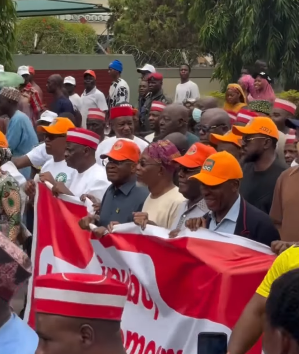
JUST IN: Atiku Abubakar, Peter Obi, Dino Melaye, Aisha Yesufu, Others Stage ‘’Save Democracy’ Protest In Abuja

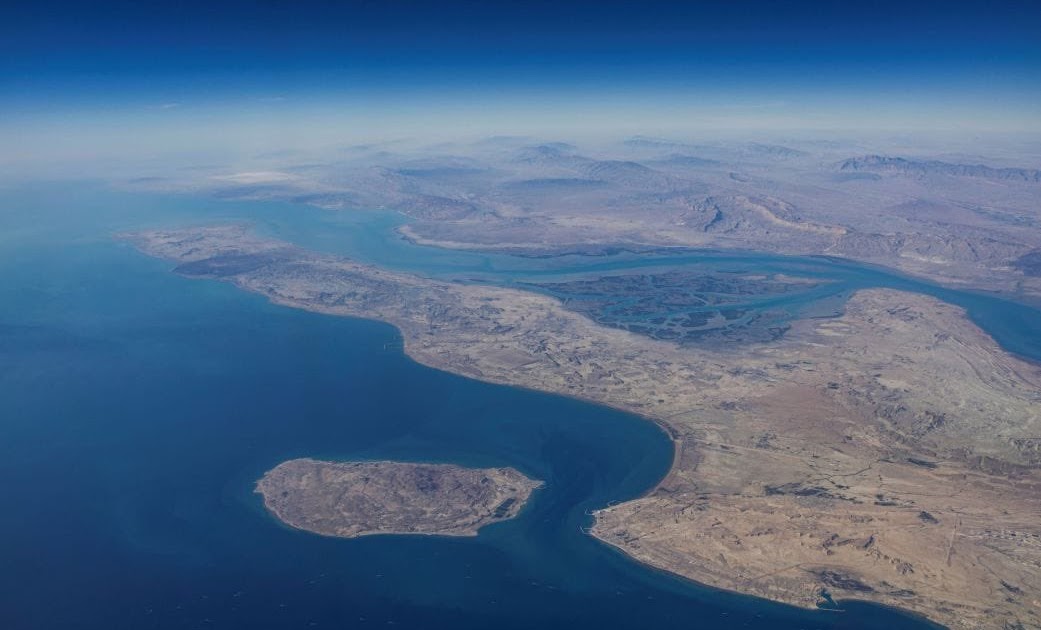

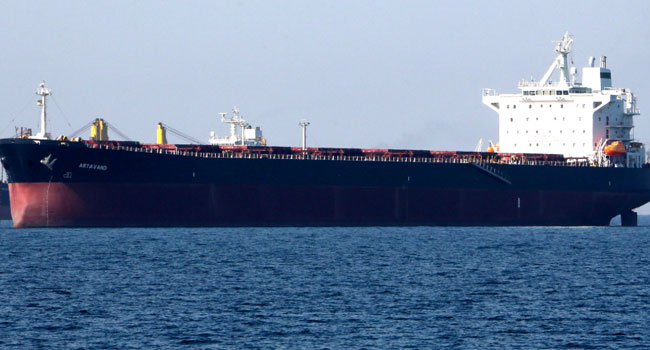
Strait Of Hormuz Reopens As First Vessels Transit After US- Iran Truce

David Mark’s ADC Faction Meets Turaki PDP in Abuja

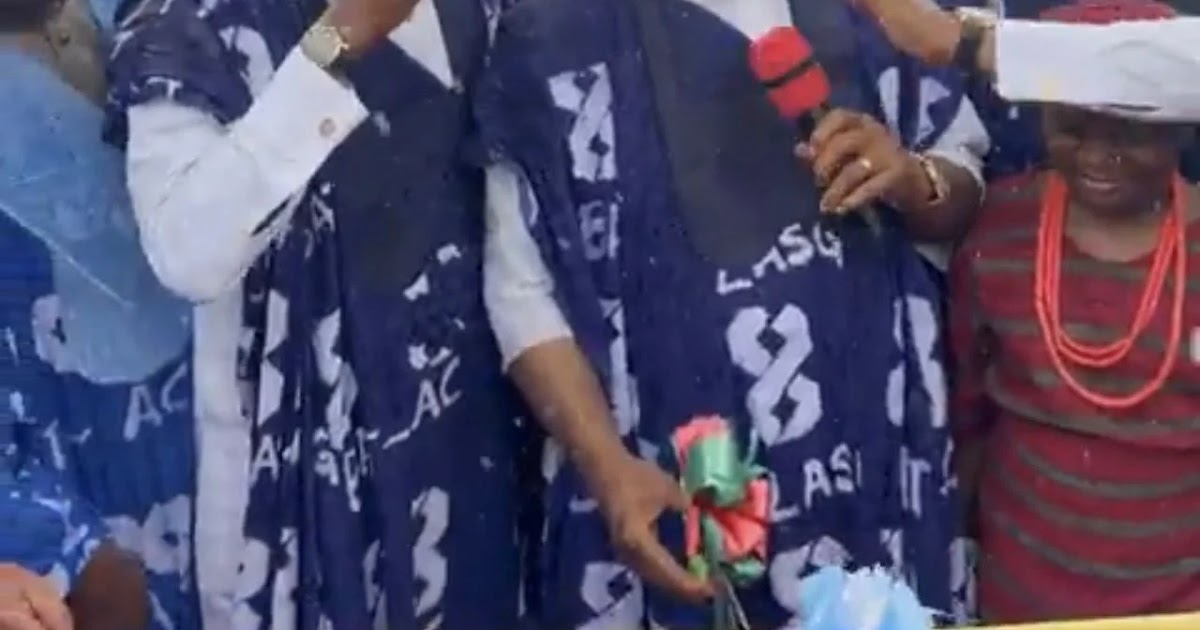
Senate President Akpabio Inagurates Lagos Projects On Behalf Of Tinubu

DO YOU AGREE? Nigeria Not Collapsing- FG

JUST IN: Atiku Abubakar, Peter Obi, Dino Melaye, Aisha Yesufu, Others Stage ‘’Save Democracy’ Protest In Abuja

Pretty Mike Reopens Nightclub After NDLEA Ordeal

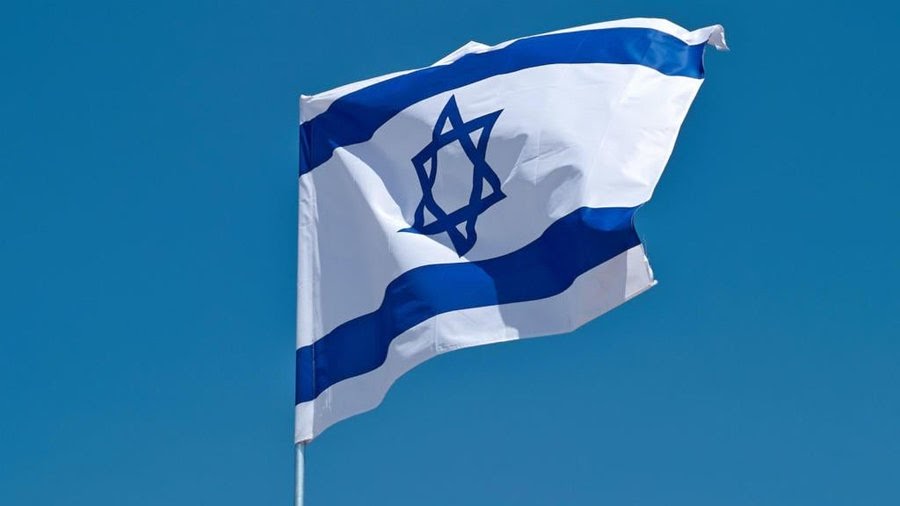
Israel Launches New Attacks On Lebanon

Ex- Kano Governor Dumps APC

US- Iran Agree To 2- Week Ceasefire, Strait Of Hormuz To Reopen

Stop Aiding Bandits, Gov Abdulrazaq Tells Citizen

Burna Boy And DJ Tunes Get Into Heated Altercation At Lagos Club

Rice, Spaghetti Sharing Won’t Save You In 2027 Election– Atiku Blast Tinubu
Ex- Kano Governor Dumps APC

EFCC Explains why Blessing CEO Remains Free Despite Cancer Scandal

Peter Obi Queries Fresh ₦3.3tn Approvals, Demands Accountability

Southeast Ex-Governors Unite To Back Tinubu Re- Election Bid

Plateau Attack Update: Seven States Evacuate Over 1,600 Students From UNIJOS

Otedola Reveals Details Of Meeting With President Tinubu

Nigerian Govt Expels US Missionary Alex Barbir Over Inflammatory Statements

INEC Faces Backlash: ADC Youths Issue 72- Hour Deadline For Leadership Reversal
-
 NEWS2 years ago
A MUST READ!! What Peter Obi Discussed With Atiku, Saraki, Lamido During Visits – Aide Reveals
-

 MUSIC4 years ago
MUSIC: Mohbad – Back Side [Free Download]
-
 MUSIC4 years ago
MUSIC: Papiwizzy – Oluwalonsola Ft Zlatan and Papisnoop [Download Mp3]
-

 MUSIC2 years ago
MUSIC: DEBHIE FEAT. EMMYBLAQ – TURN UP (DOWNLOAD HERE)