BUSINESS
From Lab Benches to Factory Floors: Nigeria Pushes to Commercialise Research
BUSINESS
Rising Fuel Prices Show Consequences of Poor Planning — Peter Obi
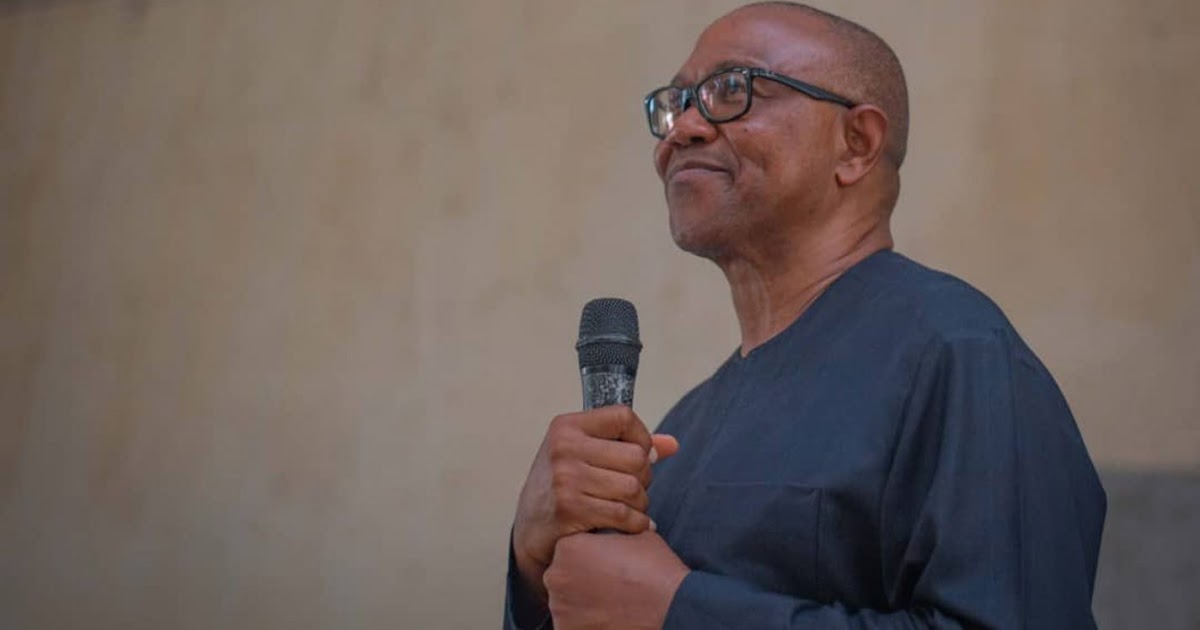
Presidential hopeful of the African Democratic Congress (ADC), Mr. Peter Obi, has blamed Nigeria’s vulnerability to global economic shocks on the country’s failure to maintain strategic petroleum reserves.
In a statement shared on his social media platform, Obi said recent tensions arising from the conflict involving Iran, the United States, and Israel have pushed up global oil prices, which quickly translated into higher fuel prices in Nigeria.
He noted that petrol, which sold for less than ₦1,000 per litre a few weeks ago, now costs over ₦1,200 per litre, while diesel has risen from below ₦1,000 per litre to more than ₦1,500 per litre.
According to Obi, the rapid increase demonstrates how quickly external shocks affect Nigeria because the country lacks economic buffers.
He explained that many countries—whether oil-producing or not—maintain strategic petroleum reserves that can be released during disruptions in the global oil market to stabilize supply and prices. Nigeria, however, does not have such reserves, meaning the impact of global market changes is felt almost immediately.
Obi argued that the situation reflects a broader problem of inadequate national planning, stressing that countries that plan ahead create safeguards against economic shocks, while those that fail to plan remain vulnerable.
He concluded that the lesson remains clear: when a country fails to plan, it has effectively planned to fail
BUSINESS
Peter Mbah Blasts ‘High Tax’ Narrative in Enugu
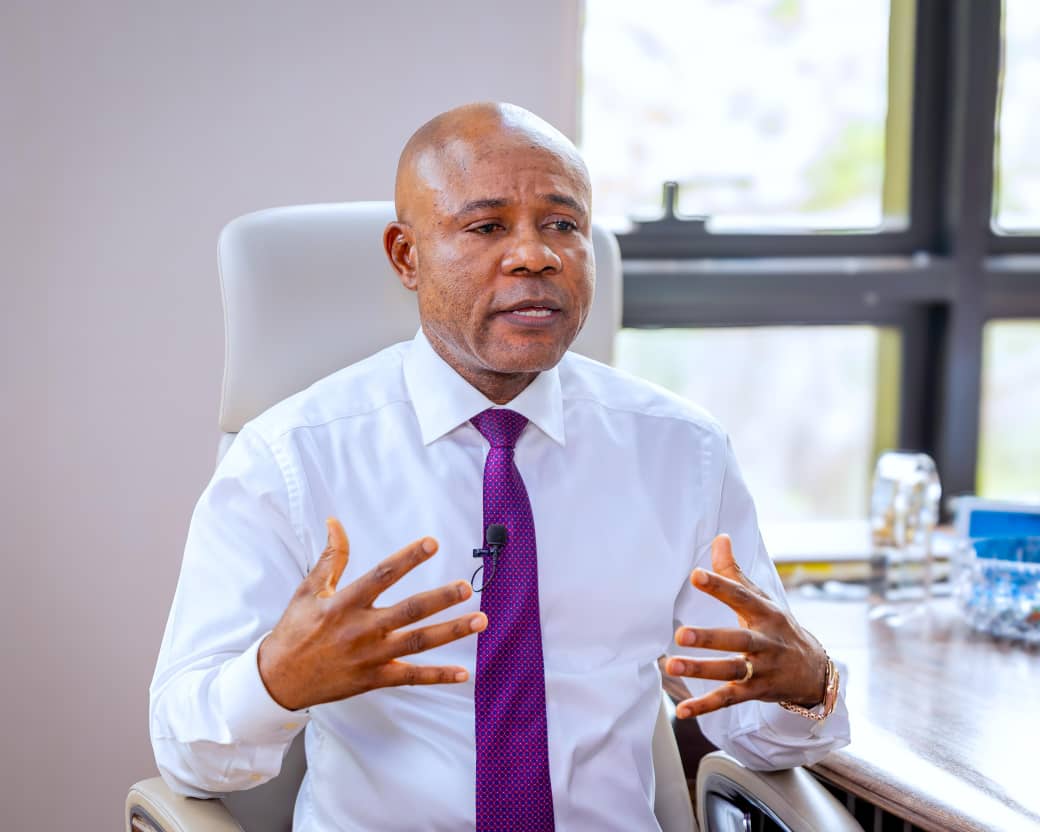
Governor of Enugu State, Dr. Peter Mbah, has rejected the claims of high taxation in the state, describing them as a pathetic misconception promoted by the opposition and beneficiaries of the old order, who manipulated revenue collection to fatten their private pockets.
Mbah insisted that his administration had grown the states Internally Generated Revenue, IGR, by widening the tax net to bring in more taxable persons, blocked revenue leakages, and tackled sharp practices that hitherto drained public revenues by introducing Consolidated Demand Notice, e-ticketing as well as recovery, optimisation, and monetisation of the state’s assets.
He stressed that the Enugu State Government did not have power to increase or reduce taxes under the 1999 Constitution, as it was the exclusive preserve of the federal government.
The governor provided the clarifications in an exclusive interview aired by Afia Television, Wednesday evening.
“First, as a state, we are not able to legislate on taxation. It is in the exclusive legislative list, which can only be legislated on by the National Assembly. Whether it is your Personal Income Tax, your Company Income Tax, your Value Added Tax or your Withholding Tax, those taxes can only be legislated on by the National Assembly,” he clarified.
Mbah said that those framing the false narratives could not come to terms that his administration could scale up the state’s IGR from N26.8bn the state recorded in 2022 to N37.4bn by the end of 2023, N180.5bn in 2024, and N406.7bn in 2025.
“I think for those framing this false narrative, it is beyond their imagination that we could optimise our dormant assets and grow our revenue exponentially.
“They fail or refuse to take note of the fact that in 2025, for instance, tax revenue accounted for for only N51.5bn or 12.6 per cent of the N406.7bn IGR, while non-tax revenue was N355.2bn or 87.4 per cent,” the governor added.
As for the areas within the states’ competence, such as rates and levies, Mbah explained that his administration had already taken steps to crash the payable amounts for certain services provided by Enugu State Government.
“For those rates and fees, we constituted a committee that also included market leaders, organised labour, Chamber of Commerce and Industry, among others, which went around to get what the other states within the South East were charging. It turned out that Enugu is the lowest in the South East. But that notwithstanding, we crashed that rates even further by 70 per cent especiallyin land sectors,” he stated.
He, however, acknowledged the activities of illegal revenue collectors, saying the recently passed Enugu State Harmornised Taxes and Levies (Approved List for Collection) Law, 2026, would finally eliminate road blocks and unauthorised collections that have burdened residents of the State.
He added that the government will up enforcement and public enlightenment to checkmate the activities of extortionists.
“Under our laws, we have consolidated all these services and you only just have one payment that you make and you are done with all the services that the government provides.
“Some people still go about extorting money from helpless citizens because this is a practice that has gone on over the years. But we have constituted a standing task force to track and bring them to book. We also want the citizens to report them. We now have several toll-free lines where citizens can call freely. They do not have to have airtime to place such calls,” he concluded.
BUSINESS
Enugu Air Receives Air Operator Certificate, Targets Regional Flights by Year End
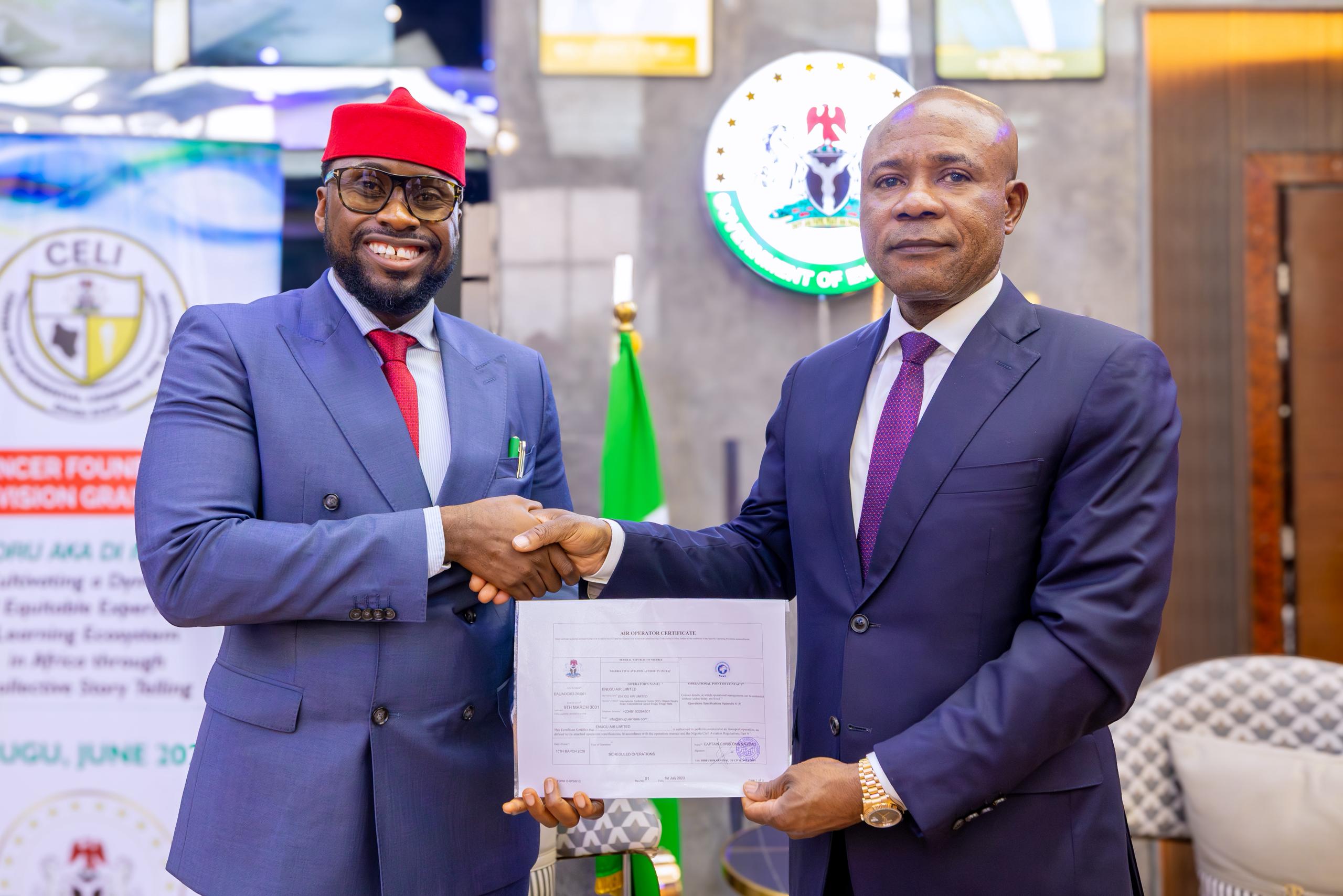
Enugu Air, on Tuesday, received the Air Operator Certificate, AOC, from the Nigerian Civil Aviation Authority (NCAA), a development it described as a significant step in the realisation of Governor Peter Mbah’s vision to position Enugu as a regional hub for commerce, logistics, and aviation in West and Central Africa.
Presenting the AOC to Enugu Air’s Accountable Manager/ CEO, Captain Tolu Ita, at the Nigerian Civil Aviation Authority, NCAA, headquarters in Abuja, the agency’s Director General, Captain Chris Najomo, described the development as historic in the Nigerian aviation industry, noting that Enugu Air successfully completed the rigorous certification process in just five months and three weeks, significantly faster than the typical industry timeline of 15 to 24 months.
According to the Captain Njomo, the fully state-owned airline also distinguished itself by commencing operations with a complete fleet of six aircraft, which he said was a rare feat for a newly certified airline in the country.
The DG emphasised that the certification process involved extensive evaluation across multiple NCAA departments and confirmed that Enugu Air had met all regulatory requirements, demonstrating full compliance with Nigeria’s aviation safety and operational standards.
He commended the vision and leadership of Governor Mbah, describing the speed and discipline with which the airline project was executed as evidence of purposeful governance.
The DG also acknowledged the dedication of the Enugu State team and urged the airline’s management to continue maintaining the highest standards of safety, regulatory compliance, and operational excellence.
In her remarks, the Accountable Manager/CEO of Enugu Air, Captain Tolu, expressed appreciation to Governor Mbah for the vision of Enugu Air and also commended him for creating the enabling environment and providing the leadership support that made the record-breaking certification possible.
While thanking NCAA for the professionalism and support shown throughout the certification process, she reaffirmed the airline’s commitment to building a reliable, efficient, and globally competitive carrier that would serve passengers with the highest standards of safety and service.
Speaking, the Commissioner for Transportation, Enugu State, Dr. Obi Ozor, stressed that Enugu Air remained a strategic component of Governor Mbah’s broader transport and logistics transformation agenda aimed at unlocking economic opportunities across Enugu State, the wider South-East region, and Africa.
He noted that the airline would grow its fleet to 20 aircraft and also commence regional operations before the end of 2026, playing a critical role in connecting Enugu to key domestic and international markets and facilitating trade, tourism, investment, and mobility.
He commended Enugu Air’s operating partner, XEJet Limited, for its role in guiding the airline through the rigorous regulatory certification process required for the issuance of the Air Operator Certificate.
Speaking, the Group Chief Executive Officer of XEJet Limited, Emmanuel Iza, who congratulated the airline for the feat, expressed pride in the Enugu Air/XEJET Limited partnership that produced the result.
“This milestone demonstrates what can be achieved through strong partnerships between government and the commercial aviation sector in advancing air transport development,” Iza stated.
On his part, the Board Chairman of Enugu Air, Barrister Ricky Agu, assured the NCAA that the state government would continue to provide the support required to ensure that Enugu Air operates at world-class standards.
The AOC presentation was witnessed by senior aviation regulators and other members of the Enugu State delegation, including the Special Assistant to the Governor on Transport, Iphie Ugonabo, and members of the airline’s management team.
BUSINESS
Mainpower Secures 20-Year Electricity License in Enugu
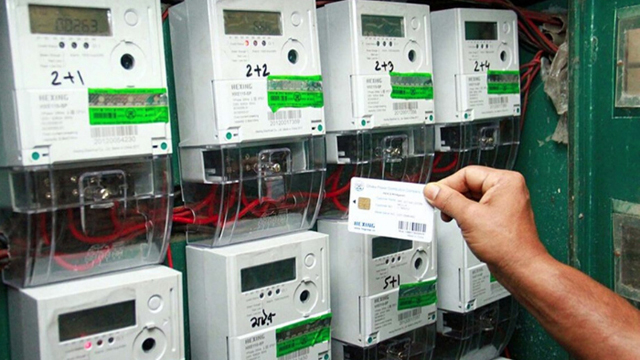
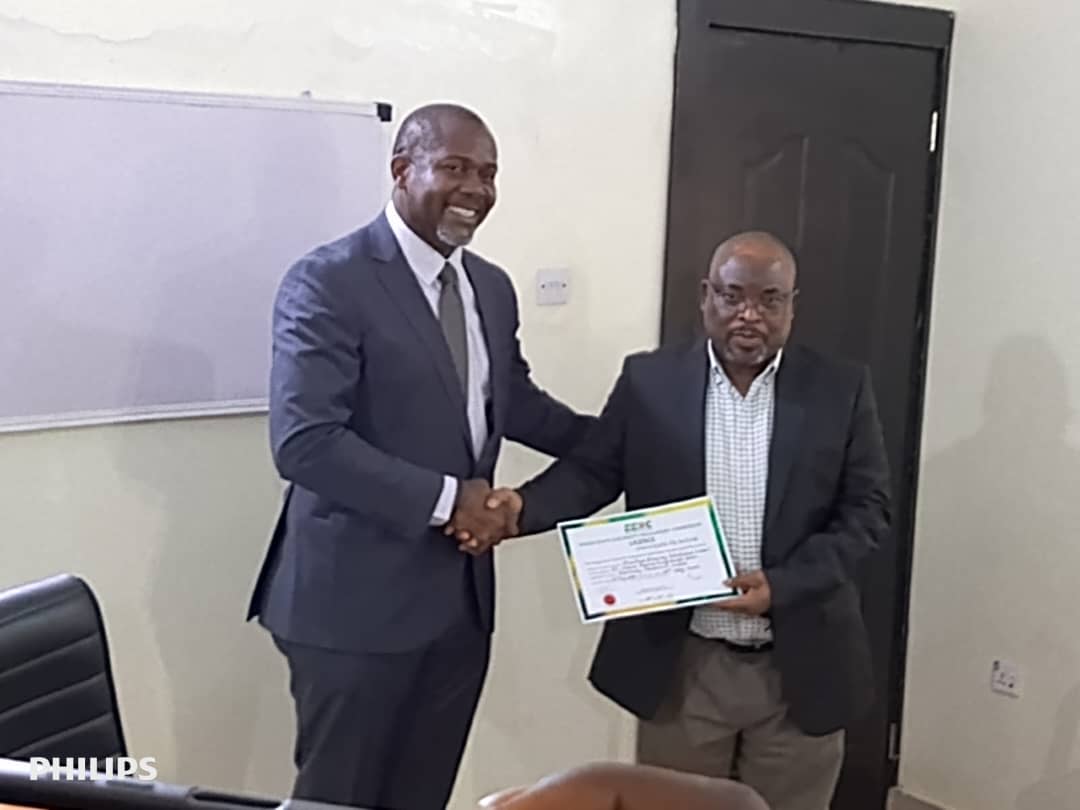
Mainpower Electricity Distribution Limited (MEDL) has secured a 20-year operating license from the Enugu Electricity Regulatory Commission (EERC) to provide electricity distribution services across Enugu State.
The license was issued in Enugu by Mr. Chijioke Okonkwo, Chief Executive Officer of EERC, who described Mainpower as the first Sub-Distribution Company (SubCo) to be granted an operating license in the state.
“This achievement is a milestone for the Enugu electricity sector and a testament to the visionary leadership of Governor Peter Mbah, who championed the Enugu State Electricity Policy 2023 and facilitated the enactment of the Enugu State Electricity Law, 2023,” Mr. Okonkwo said.
He highlighted that Enugu State’s electricity market is structured to encourage multiple participants across the value chain, including fuel suppliers, generation companies, distribution operators, retail electricity providers, and metering services.
“The Enugu State electricity market operates on a willing buyer – willing seller model, supported by commercially viable agreements such as bilateral contracts and power purchase agreements. This framework ensures efficiency, accountability, and profitability while delivering reliable electricity services to consumers,” Okonkwo explained.
He further noted that as the dominant player in Enugu State’s electricity market, Mainpower has a critical role in developing the market model, fostering competition, and supporting the integration of other market participants.
“Mainpower is expected to grow its operations in alignment with the state’s electricity policy, while evolving to accommodate other players and boost competition across service areas,” Okonkwo added.
Receiving the license, Dr. Ernest Mupwaya, Managing Director of Mainpower, expressed gratitude to the EERC and Governor Mbah for the confidence placed in the company. He described the licensing as a demonstration of Enugu State’s commitment to establishing a responsive, efficient, and sustainable electricity market under the new framework established by the Electricity Act.
Dr. Mupwaya emphasized that the success of any electricity market is closely linked to the performance of distribution companies. “Transformational efforts within distribution companies must be supported by all stakeholders. Regulators must provide clear and predictable frameworks; governments must sustain sector reforms; investors must fund infrastructure development; and customers must support the system through responsible consumption and timely payment for services,” he said.
He outlined Mainpower’s strategic focus for the next two decades, which includes enhancing network reliability, accelerating metering programs to improve transparency, strengthening revenue assurance, embracing digital transformation, and improving operational efficiency.
Dr. Mupwaya further assured EERC that the company would place a strong emphasis on customer engagement, satisfaction, and feedback, noting that electricity distribution is not only a technical service but also a customer-centric business.
“With this license, Mainpower Electricity Distribution Limited is committed to driving the growth of Enugu State’s electricity market while delivering reliable, sustainable, and affordable power to residents,” he concluded.
BUSINESS
FDI: Enugu Govt, Haier Group Launch $20m Factory, set for $30m expansion
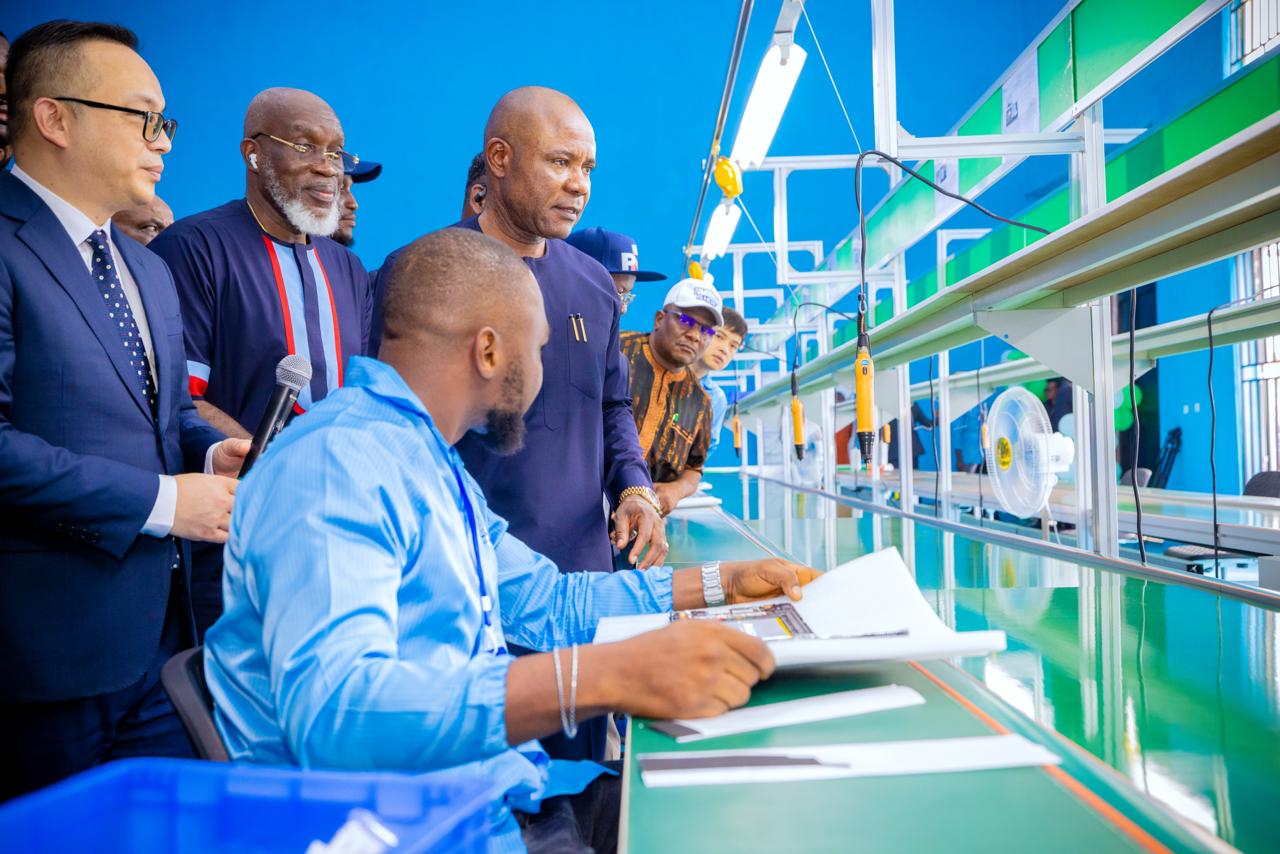
Governor Peter Mbah of Enugu State, yesterday, inaugurated the Enugu Haier Factory, a Foreign Direct Investment (FDI) by the Chinese Haier Global Business in partnership with the state government.
This was even as the Vice President of Haier Group, Sun Yongle, said the FDI worth $20 million would produce smart phones, tablets, computers, smart boards, Android televisions, education and health technologies, and renewable energy solutions for electricity, agriculture, and transportation.
The factory, which saw the Mbah Administration provide the land and build the massive structures, among others, while also placing offtake orders of over 25,000 all-in-one desktops and 300,000 tablets to power its 260 Smart Green Schools and encourage the investment, follows the state’s other FDI patterns such as the ongoing electric car assembly plant construction at Owo by the Stallion Group and the Nortra Tractor Assembly Plant and Service Centre, Enugu, an investment by ODK Group of Denmark set for commissioning.h
Inaugurating the factory in the heart of Enugu’s capital city, Governor Mbah said the investment aligned perfectly with the administration’s commitment to repositioning the state as a premier destination for investment, industry, and knowledge-driven growth and its push for a $30 billion economy from $4.4h billion.
“This partnership represents the convergence of vision, innovation, and opportunity – to generate Made in Enugu technologies that compete globally, while enabling us to support key local sector developments.
“It means that the devices empowering our students and that support critical industries will no longer be imported. That is strategic. It reduces costs. It ensures sustainability. And most importantly, it builds local capacity,” he explained.
The governor added that the factory would also serve as a practical training platform for the state’s vocational and technical institutions; generate employment; facilitate technology transfer; stimulate complementary small and medium-scale enterprises and also foster a technology ecosystem in the state.
He hailed President Bola Tinubu’s macro policies, which he said had helped to a great degree in attracting a steady inflow of FDIs.
“This steady inflow of FDIs is an indication that the macro pressures that had hitherto prevailed have eased. We have seen the naira strengthen, our foreign reserves grow exceedingly, and a downward trajectory in inflationary trends,” he emphasised.
Mbah called on investors from across Nigeria and beyond to follow the Haier example, stressing that Enugu was ready and open for business.
Speaking, the Vice President of Haier Group, Sun Yongle, said the factory would produce 200,000 units of various product lines annually, while also employing about 100 people for a start.
He added that Haier Group was working on a $30 million investment in the state, expanding to mining, agriculture, among others.
“Haier Group is the world’s largest manufacturer of appliances, with global revenue exceeding $60 billion in 2025. We own a portfolio of international brands including GE Appliances, Mabe, Candy, Sanyo Aqua, Hoover, and Fisher & Paykel.
“The Enugu Haier Factory has a designed production capacity of 200,000 units per year, focusing on ICT products, medical equipment, and new energy products. When fully completed, the factory will employ more than 100 local workers, including our sales and service teams, and we will have over 200 employees in total.
“But this factory marks only the first stage of our investment in Enugu State. We are also discussing cooperation in agriculture, mining, and transportation, including sesame, coal, and tricycles. We expect our total investment in Enugu State to exceed $30 million.
“Our goal is for our products to be not only Made in Enugu, but also Designed in Enugu, with management and technical teams mainly composed of local professionals,” Yongle stated.
He said Haier would establish a local Research and Development Centre and a training centre to provide free training and internship opportunities for students in Enugu State, commending Mbah for his support and leadership.
The Commissioner for Education, Prof. Ndubueze Mbah, commended Governor Peter Mbah for making the “Made in Enugu” dream a reality, citing the speedy completion of the factory in 18 months to back his drive for skills-based education in Enugu State.
The Minister of Innovation, Science and Technology, Dr. Kingsley Udeh, restated the Federal Government’s support for innovation, industrialisation, and technical education as represented by the Enugu State Government and Haier through partnership.
“The President fully supports this initiative because it aligns with our Renewed Hope Agenda. This is adding to the President’s vision of taking Nigeria from where it is currently to a $1 trillion economy,” he stated.
Miss Precious Anih, a student of TVET College, GTC, Enugu, thanked Mbah for giving meaning to the dreams and future of Enugu children and youths.
“You have made us look into the future and have hope,” she stated.
BUSINESS
EEDC Announces Emergency Power Rationing in S/East
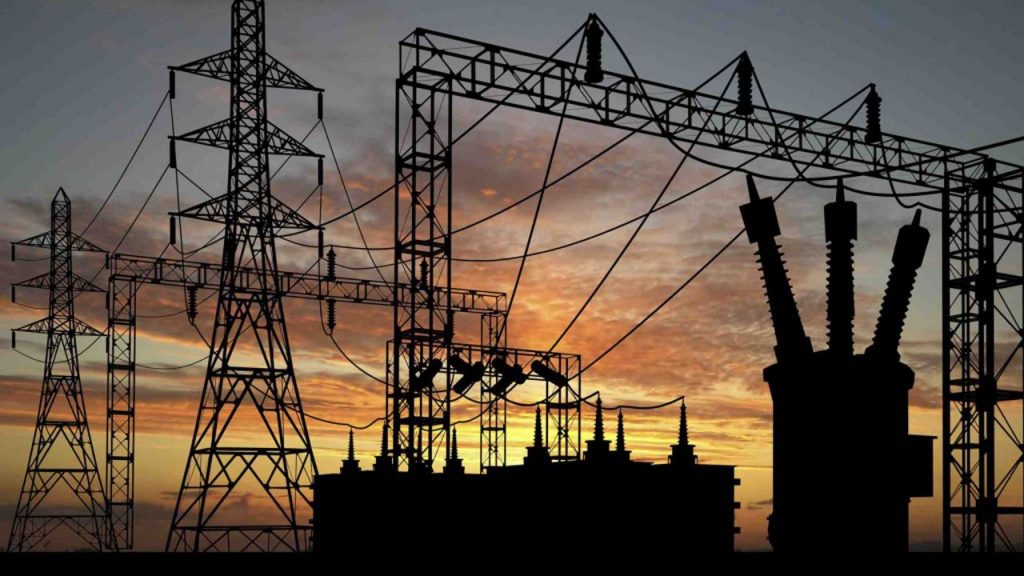
The Enugu Electricity Distribution Company (EEDC) has announced the commencement of emergency electricity supply load management across parts of Anambra, Enugu, and Ebonyi states following a transmission fault.
In a statement issued on Thursday in Enugu, the Group Head, Corporate Communications, EEDC, Mr Emeka Ezeh, said the measure became necessary due to a fault on the Mando–Shiroro Transmission Line.
According to Ezeh, the National Control Centre (NCC), Oshogbo, directed the company to maintain only 44 megawatts (MW) on the Onitsha/New Haven 330kV line, affecting the Awada, Agu-Awka, Nibo, New Haven, Nkalagu, and Abakaliki transmission stations.
He further disclosed that the company was also instructed to maintain 10MW and 11MW on the Ugwuaji and Apir Transmission Stations, respectively.
Ezeh noted that customers served by EEDC’s subsidiary companies — MainPower, FirstPower, and EastLand — in Enugu, Anambra, and Ebonyi states would experience supply disruptions as a result of the load management.
“We sincerely apologise for the inconvenience this development may cause our customers and appeal for their understanding. Efforts are ongoing by relevant stakeholders to clear the fault and restore normal supply,” the statement read.
BUSINESS
Enugu Govt Records N406.7bn IGR in 2025, Targets N870bn in 2026
Enugu State Government recorded N406.77bn in Internally Generated Revenue (IGR) IN 2025, the Enugu State Internal Revenue Service (ESIRS) has announced.
Of the total amount, tax revenue accounted for N51.5bn, representing 12.6 per cent, while non-tax revenue stood at N355.2bn, representing 87.4 per cent of the total IGR.
The government recalled that although the state’s IGR stood at N26.8bn in 2022, it was able to scale it up to N37.4bn in 2023 following Governor Peter Mbah’s ascension to office and ramped it up further to N180.5bn in 2024 before hitting N406.7bn in 2025.
These were made known by the Chairman of ESIRS, Mr. Emmanuel Nnamani during a press briefing in Enugu on Sunday, attributing the steady astronomic growth in the state’s IGR to deployment of technology, e-payment, widening of the tax net without increasing the rate, as well as other extensive reforms by the Mbah Administration to block revenue leakages.
“The state’s total IGR of Enugu State in 2022 was N26.8bn made up of N16.2bn tax revenue and N10.6bn non-tax revenue.
“In 2023, we pushed the IGR to N37.4bn, made up of N22.9bn tax revenue and N14.5bn non-tax revenue.
“In 2024, we moved the IGR to N180.5b made up of N30bn tax revenue and N150bn non-tax revenue. At that point, Enugu State had started thinking differently and dependence on FAAC for every government activity had drastically reduced.
“The shift from tax revenue-driven funding had happened as at 2024, as Enugu State focused on natural resources, recovery, and revival of moribund assets to move our revenue into stability.
“Enugu State collected a total IGR of N406,774,321,758.87 out of the N509,947,000,000 projected in the 2025 Appropriation Law. This represents a performance of 80 per cent from budget perspective as well as a 125 per cent IGR growth from 2024 figure of N180.5b. It is also a revenue performance that has shown that Enugu State has developed fiscal resilience and sustainability,” Mr. Nnamani stated.
Giving further details, he said, “It is important to state clearly that out of this N406.7bn IGR, tax revenue is just N51.5bn representing 12.6 per cent of the total IGR in 2025, while non-tax revenue is N355.2bn, representing 87.4 per cent of the total IGR.
“As I stated earlier, most of our non-tax revenue is driven by recovery, revitalisation, and optimisation of state assets, many of which were hitherto moribund and fallow assets.”
He expressed optimism over tax revenue growth explaining that the state’s huge investments in infrastructure would attract more residents and businesses, which would not only pay taxes, but create taxable employments.
“If you look at the trend, you would see a conscious effort to grow the tax revenue of Enugu State. Just in 2025, the tax revenue grew from N30bn in 2024 to N51.5bn in 2025, this represents 72 per cent growth year-on-year. It also shows resilience in growth, outperforming tax revenue growth of 31 per cent in 2024.
“This is imperative because tax revenue is most sustaining for any national and subnational government. This is the reason we have intensified efforts to grow it in line with the provisions of tax laws.
“What we have done with tax revenue and by extension the non-tax revenue is like fees, levies, and assets is to plug the leakages in revenues, introducing technology to ensure traceability, accountability and transparency.
“So, 2026 is another year to watch out for Enugu State. Projected IGR is N870bn and tax revenue is expected to dwindle as we implement a pro-citizen tax reform. However, we are very optimistic that we will beat economic expectations in tax revenue as compliance with tax laws has gone up in Enugu State.
“The feedback we get from our people and businesses on a daily basis is that they are now encouraged to pay their tax and fulfill their other financial obligations to government by the fact that they see the transformations going on in every sector of the state under the present administration – the infrastructure, the 260 Smart Green Schools and the 260 Type 2 Primary Healthcare Centre spread across the 260 electoral wards, the Enugu International Conference Centre (ICC), the ICC 5-Star Hotel, the Enugu International Hospital, the Enugu Air, the five modern bus terminals, the 100 CNG buses, and indeed the over 2,000 completed and ongoing projects across the state, just to name a few,” he concluded.
BUSINESS
South East a Key Economic Pillar for Tinubu Administration – Shettima
Vice President Kashim Shettima has said the South East region is central to President Bola Tinubu’s economic agenda, describing it not as a concession but as a strategic pillar for Nigeria’s future development.
Shettima made the remarks at the South East Vision 2050 (SEV2050) Stakeholder Forum, organised by the South East Development Commission (SEDC) in collaboration with the Office of the Vice President, Ministry of Regional Development, and state governments. The event took place at the International Conference Centre, Enugu.

The forum brought together South East governors, lawmakers, traditional rulers, private sector actors, and other stakeholders to deliberate on long-term regional development.
“South East youths are not spectators in Nigeria’s national journey; your energy, creativity, and ambition are central to building the country we envision,” Shettima said.
He described the forum as an exercise in harnessing the region’s potential for long-term national development. “Vision SEV2050 asks us to plan beyond immediate needs and short-term fixes.
We must ask what kind of South East we intend to build over the next 25 years and deliver the infrastructure and human capital to make it possible,” he said.
Shettima also announced the approval of the South East Investment Company Limited, a vehicle to mobilise resources from the diaspora, capital markets, and development finance institutions for infrastructure and human capital projects across the region.
The Vice President said SEDC was created to address infrastructure deficits stemming from historical neglect after the civil war and stressed that effective development requires coordinated action among states, communities, and the private sector.
Governors at the forum outlined priorities for regional integration and growth.
Anambra State Governor Chukwuma Soludo called for improved security, highways linking major cities, and investment in gas pipelines and seaports.
He urged the federal government to fully fund SEDC.
Enugu State Governor Peter Mbah emphasised the need for interstate logistics corridors, multi-modal transport hubs, and infrastructure planned as regional assets rather than state projects.
Abia State Governor Alex Otti stressed the importance of energy investments to drive small-scale enterprises and private sector growth in the region.

The forum signals a coordinated effort to position the South East as a key economic hub within Nigeria’s 2050 development blueprint.
BUSINESS
Gov Mbah Pushes for Common South East Market
Governor of Enugu State, Dr. Peter Mbah, says the South East must be reimagined and built into a common market and economic block in order to realise its potential as an economic power house.
Mbah emphasised that the South East could no longer afford to operate as five parallel states, commending President Bola Tinubu for the establishment of the South East Development Commission, SEDC, a clear demonstration of an understanding that regional development does not occur in isolation.
Mbah made the case on Wednesday as the Vice President, Senator Kashim Shettima, officially declared open the South East Vision 2025 (SEV2025) Regional Stakeholder Forum organised by the SEDCat the International Conference Centre, ICC, Enugu.
“I am here to invite you to a bold re-imagining of the South East as a single economic bloc. For too long, we have looked at our five states as individual islands, but the era of the solitary path is over.
“Today, I propose the birth of the South East Common Market – a bold, borderless unification of our commerce, our talent, and our industrial grit.
“By fusing our five distinct economies into one powerhouse, we are no longer just negotiating for a seat at the table; we are building the table ourselves.
“This is more than a policy shift; it is the awakening of an economic giant, transforming the South East into a single, seamless theatre of enterprise where our shared heritage fuels our collective prosperity,” he stated.
Mbah reminded the audience that the rules of prosperity were changing globally into a new era where those who could organise themselves, integrate their markets, and build systems at scale would rise, while those who cannot, would remain consumers of other people’s added value.
He, therefore, described the South East Vision 2050 as an instrument to help the South East to solve problems that no single state can solve alone.
He, however, said the development plan must be matched by immediate action, starting with a region-wide feasibility and project preparation phase to be jointly funded and governed.
“Second, we must begin with logistics and connectivity, because economies do not integrate on paper, they integrate through movement.
“The South East needs its first deliberately designed interstate logistics corridors, road, rail, inland hubs, and multi-modal systems that allow goods, people, and services to move seamlessly across state lines.
“These are not prestige projects. They are productivity infrastructure, and they must be planned and contracted as regional assets, not state trophies.
“Third, security must be treated as regional infrastructure. Criminal networks do not respect state boundaries, and neither should our response.
“We must commit to enhanced cross regional security coordination, shared intelligence, interoperable communication, and a centralised information and response hub that allows state security architectures and federal agencies to act as one system.
“Fourth, we must align the rules of engagement, investment processes, regulatory expectations, and dispute resolution, so that the South East presents a coherent face to capital, enterprise, and its own citizens.
He noted that it was regrettable that a region where identity was common, and where markets connected producers and buyers across distances, and where cooperation was understood as logic, and life worked by collaboration still suffers fragmentation.
“That fragmentation is no longer a historical footnote. It has become a present-day constraint. The world we are operating in now is unforgiving of disconnection and lack of unity. The global economy does not reward isolated effort.
“It rewards regions that can act as systems, regions that can coordinate infrastructure, align skills with industry, move goods efficiently, mobilise capital at scale, and present a clear, credible proposition to investors and their own people,” he explained.
What it has lacked, until now, is a shared system strong enough to hold those strengths together.
Vision 2050 is our chance to build that system as a framework for action, not for someday, but starting now.
“In this regard, I must recognise the leadership of President Bola Ahmed Tinubu under whose watch Nigeria is witnessing a renewed emphasis on structural reform and regional balance.
“The President’s approach provides the policy space and institutional backing for the South East to plan long-term, invest smartly, and integrate effectively into national growth priorities,” Mbah concluded.
Meanwhile, VP Shettima, while declaring open the forum, said the South East Vision 2050 was a major break from previous short-term approaches, that had not delivered the required results.
He reaffirmed that the SEDC was conceived to focus on structural transformation rather than routine administrative activity, insisting that Nigeria is strongest when its regions thrive.
“Let me be clear. This is not another layer of bureaucracy. It is a delivery institution, focused on tangible outcomes that translate into jobs, productivity, and growth,” he stated, noting that the South-East carries a unique historical burden, which makes deliberate regional planning both urgent and necessary.
The Vice President further announced that President Tinubu had also approved the establishment of the South East Investment Company Limited, designed to mobilise resources from the diaspora, capital markets, and development finance institutions for the region’s development.
Shettima said the company would work in synergy with the South-East Development Commission (SEDC) to address postwar infrastructure gaps and drive long-term regional competitiveness.
The event equally attended by Governor Alex Otti of Abia State, Governor Charles Soludo of Anambra State and Governor Francis Nwifuru of Ebonyi State, while Governor Hope Uzodimma of Imo State was represented.
Equally in attendance were ministers, members of the international development agencies, captains of industry, and heads federal and state agencies, among a host of others.
-
NEWS2 years agoA MUST READ!! What Peter Obi Discussed With Atiku, Saraki, Lamido During Visits – Aide Reveals
-

MUSIC4 years agoMUSIC: Mohbad – Back Side [Free Download]
-

MUSIC4 years agoMUSIC: Papiwizzy – Oluwalonsola Ft Zlatan and Papisnoop [Download Mp3]
-
MUSIC2 years agoMUSIC: DEBHIE FEAT. EMMYBLAQ – TURN UP (DOWNLOAD HERE)