
NEWS
Mbah’s Commissioner Showcases State’s Development Achievements at Int’l Forum






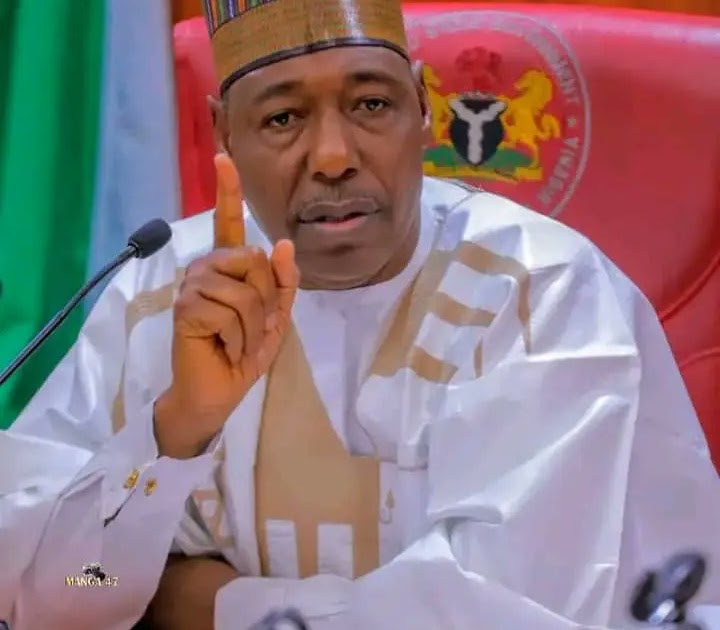

Borno State Governor Babagana Umara Zulum has expressed strong optimism that the Boko Haram insurgency will soon be defeated.
The governor made the declaration in an Easter message issued on Sunday, April 5, 2026, through his media aide, Dauda Iliya, while felicitating with Christians in Borno and across Nigeria.
Zulum described Easter as a sacred season that symbolises sacrifice, forgiveness, and love.
He urged residents to sustain the existing religious harmony between Christians and Muslims in the state.
“It is heartening to observe the level of religious harmony between Christians and Muslims in the state. I urge all residents to sustain this spirit as we continue to take deliberate steps towards achieving lasting peace,” he said.
The governor reaffirmed his administration’s commitment to improving security and the welfare of the people.
He noted that his government has scaled up palliative distribution to over 300,000 families to ease the impact of current economic hardship.
Zulum also called for unity and restraint, especially during the present political climate.“I want to remind us that Borno belongs to all of us.
We must shun divisive tendencies, especially during this political period. We have embarked on a collective journey of recovery, and we must not allow enemies of peace to derail our progress,” he added.
He commended traditional rulers, religious leaders, the Nigerian Armed Forces, other security agencies, the Civilian Joint Task Force (CJTF), hunters, and vigilantes for their sacrifices and recent successes in the fight against insurgency.
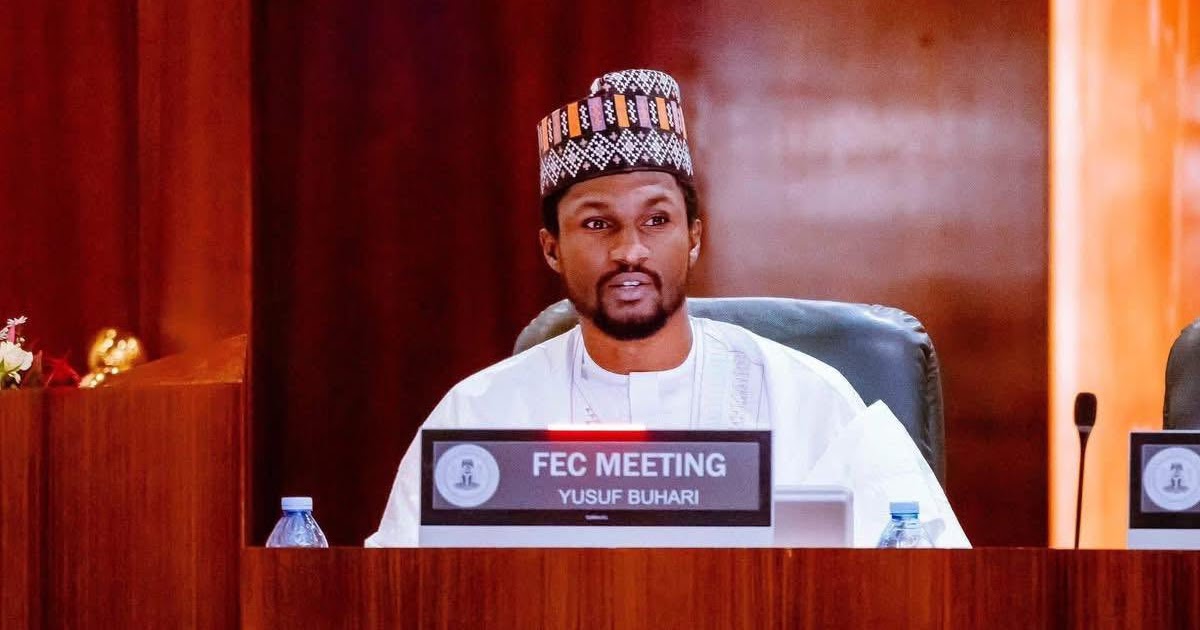
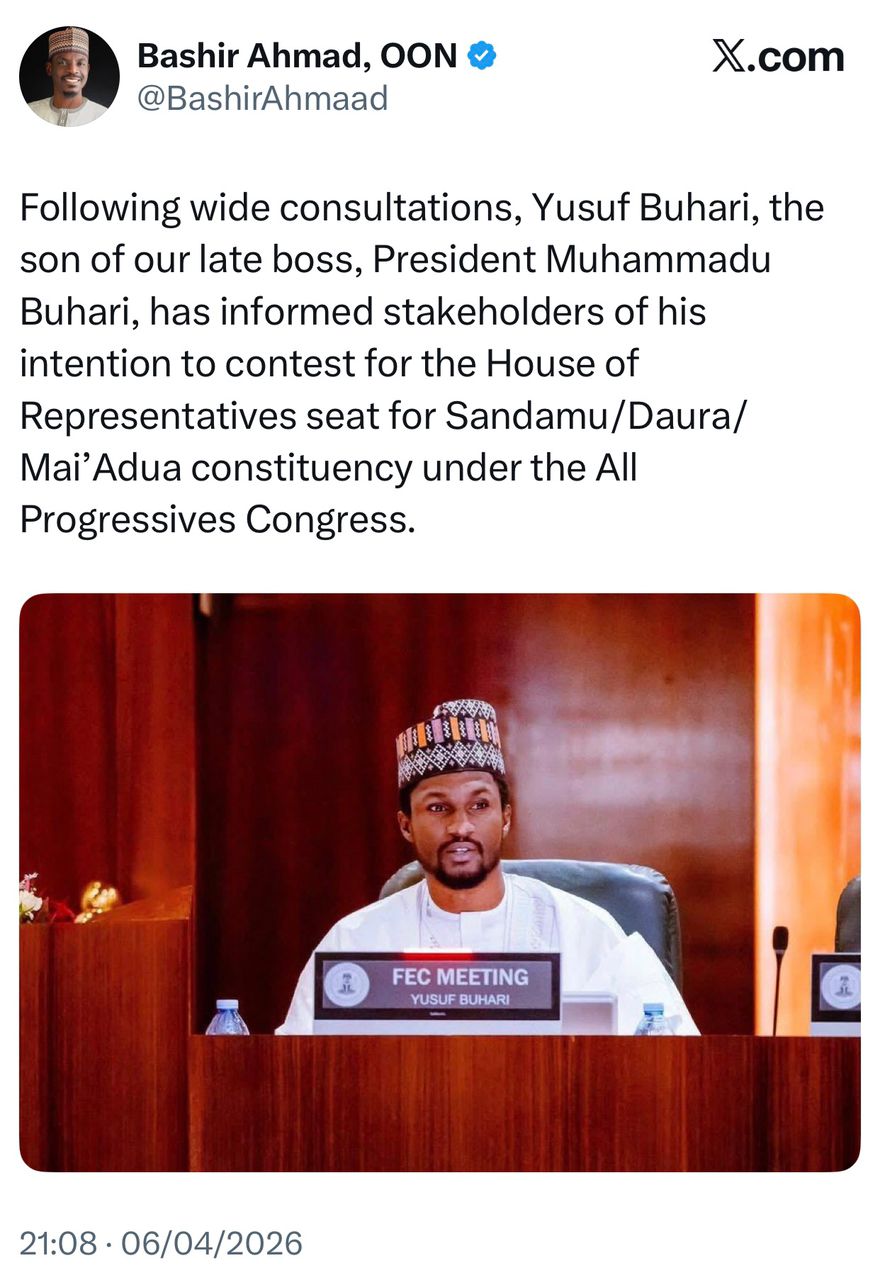
The only son of late President Buhari, Yusuf, has declared interest in running for the House of Representatives seat in the 2027 poll.
Former Presidential aide, Bashir Ahmad, announced this on X last night.
‘’Following wide consultations, Yusuf Buhari, the son of our late boss, President Muhammadu Buhari, has informed stakeholders of his intention to contest for the House of Representatives seat for Sandamu/Daura/Mai’Adua constituency under the All Progressives Congress.”
Buhari was president of Nigeria from 2015 to 2023. He passed away on July 13, 2025.

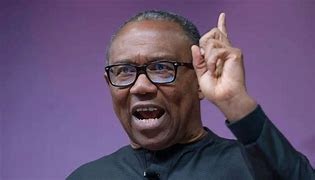
Peter Obi Queries Fresh ₦3.3tn Approvals, Demands Accountability

Nigerian Govt Expels US Missionary Alex Barbir Over Inflammatory Statements

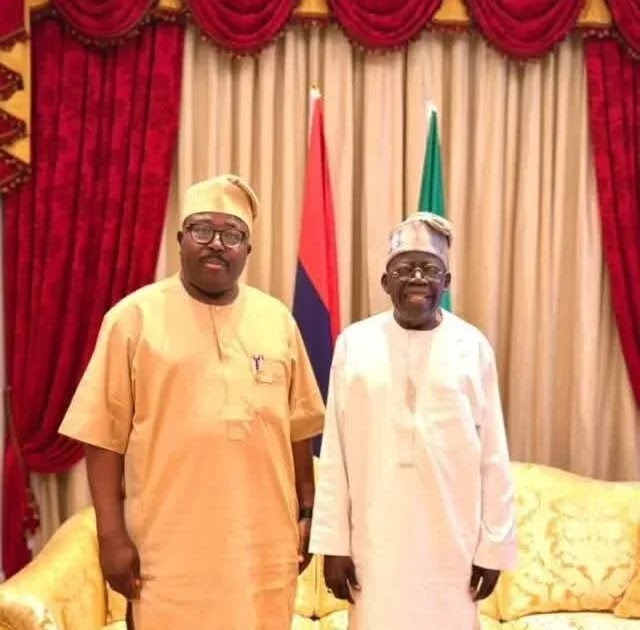
Oyo APC Guber Candidate, Alli Meets Tinubu In Lagos

Five Arrested Over Maiduguri Shooting That Left Teenager Dead

Zulum: Boko Haram Insurgency Will Soon End

Govt Denies Scrapping Visa-on-Arrival

Late President Buhari’s Son, Yusuf, Set To Run For House Of Reps

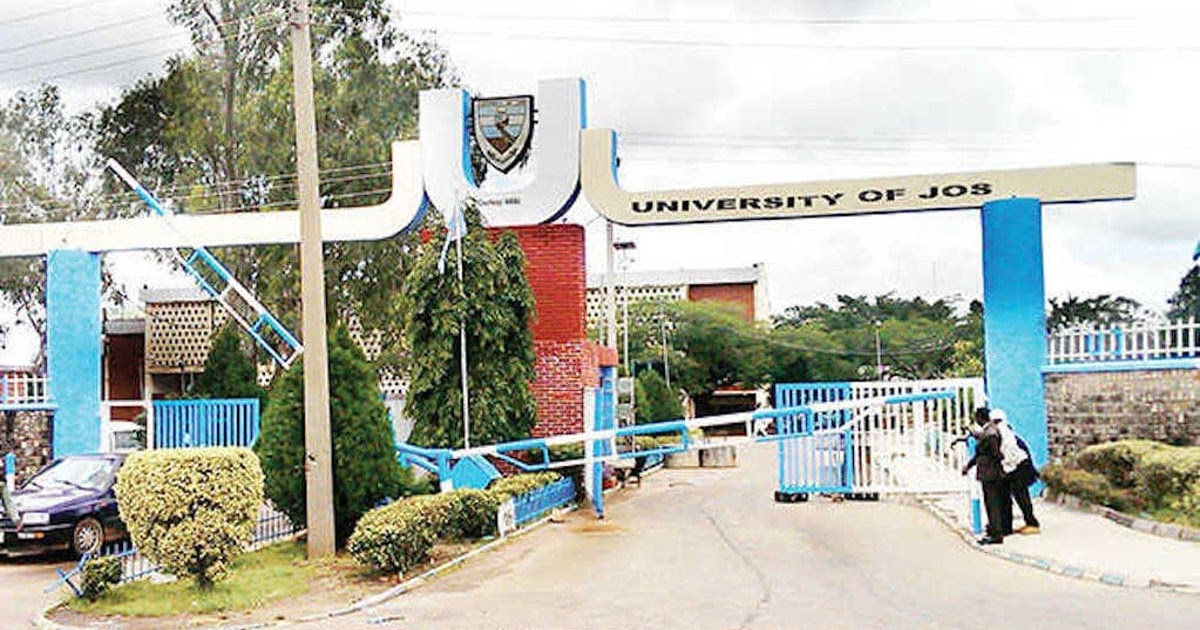
Plateau Attack Update: Seven States Evacuate Over 1,600 Students From UNIJOS

INEC Faces Backlash: ADC Youths Issue 72- Hour Deadline For Leadership Reversal

Tinubu Aide Warns Peter Obi Against Baseless Attack

EFCC Explains why Blessing CEO Remains Free Despite Cancer Scandal

Otedola Reveals Details Of Meeting With President Tinubu
Nigerian Govt Expels US Missionary Alex Barbir Over Inflammatory Statements
Plateau Attack Update: Seven States Evacuate Over 1,600 Students From UNIJOS
Peter Obi Queries Fresh ₦3.3tn Approvals, Demands Accountability

NYSC Launches Supplementary Online Registration For New Corps Members
INEC Faces Backlash: ADC Youths Issue 72- Hour Deadline For Leadership Reversal
Five Arrested Over Maiduguri Shooting That Left Teenager Dead
Tinubu Aide Warns Peter Obi Against Baseless Attack
Oyo APC Guber Candidate, Alli Meets Tinubu In Lagos
-
 NEWS2 years ago
A MUST READ!! What Peter Obi Discussed With Atiku, Saraki, Lamido During Visits – Aide Reveals
-

 MUSIC4 years ago
MUSIC: Mohbad – Back Side [Free Download]
-
 MUSIC4 years ago
MUSIC: Papiwizzy – Oluwalonsola Ft Zlatan and Papisnoop [Download Mp3]
-

 MUSIC2 years ago
MUSIC: DEBHIE FEAT. EMMYBLAQ – TURN UP (DOWNLOAD HERE)