
OPINION
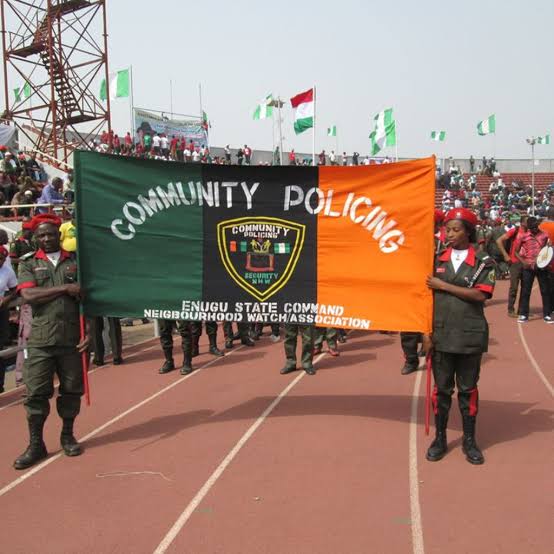
Neighborhood Watch and Vigilante Groups: Strengthening the Future of Community Policing in Nigeria





OPINION
Gov. Peter Mbah’s Focused and Transformational Leadership Have Restored Enugu State as the Capital of Southern Nigeria
NEWS
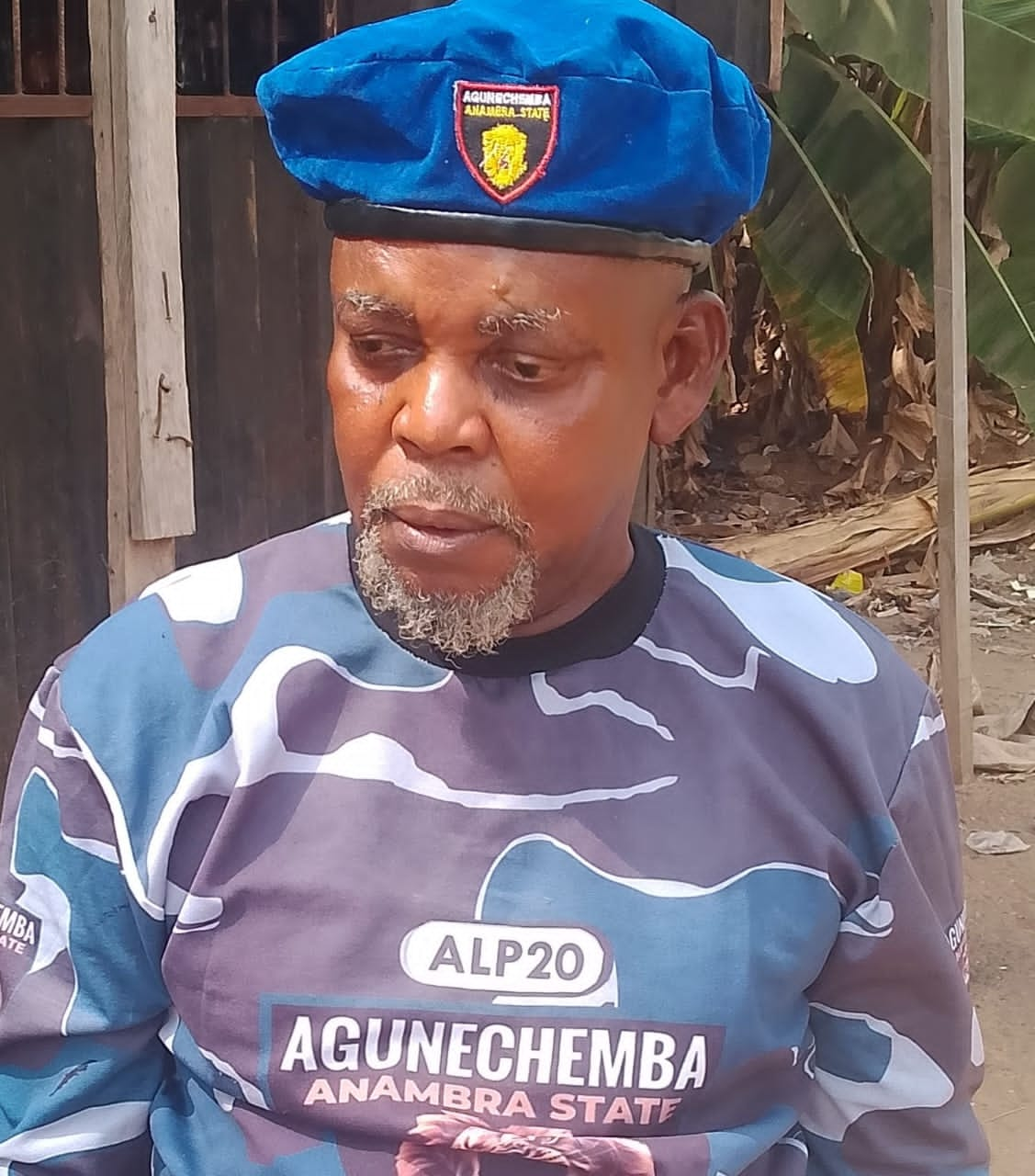
How Gov. Soludo’s Strategy Is Tightening the Noose on Criminals — Agunechemba Media Publicity Secretary, Chief Sir Nweke Nweke Speaks

By Chuks Collins, Awka
 o
o
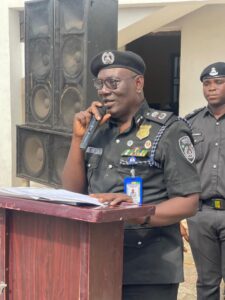
The Anambra State Police command has stepped up it’s community policing teachings with interaction with schools
The package includes personal/corporate safety, and crime prevention strategies.
The Command while engaging the students and their school authorities on Tuesday, 11th February 2026, in an interactive session focused on school safety, personal security awareness, and crime prevention.
During the season the Assistant Commissioner of Police (Operations Department) Assistant Commissioner of Police (ACP) Oruru Harrison enlightened the students of Sacred Heart Academy Ifite Ogwari, in Ayamelum Council area of the State on the dangers of cultism, drug abuse, bullying, cybercrime, and other social vices.
He emphasised the importance of vigilance, responsible conduct and prompt reporting of suspicious activities in and around the school premises.
The Command encouraged students to imbibe positive relationships with law enforcement agencies and reassured them of the readiness of the police to respond swiftly to distress calls and security concerns affecting educational institutions.
The Police command also urged school administrators to strengthen internal security measures and maintain close collaboration with security agenciesbso as to proactively address potential threats.
The Command remains steadfast in its resolve to safeguard schools and create an enabling environment for academic excellence across the State.
…..vows to mobilize 50,000 student voters
By Uchenna Ezeadigwe, Awka

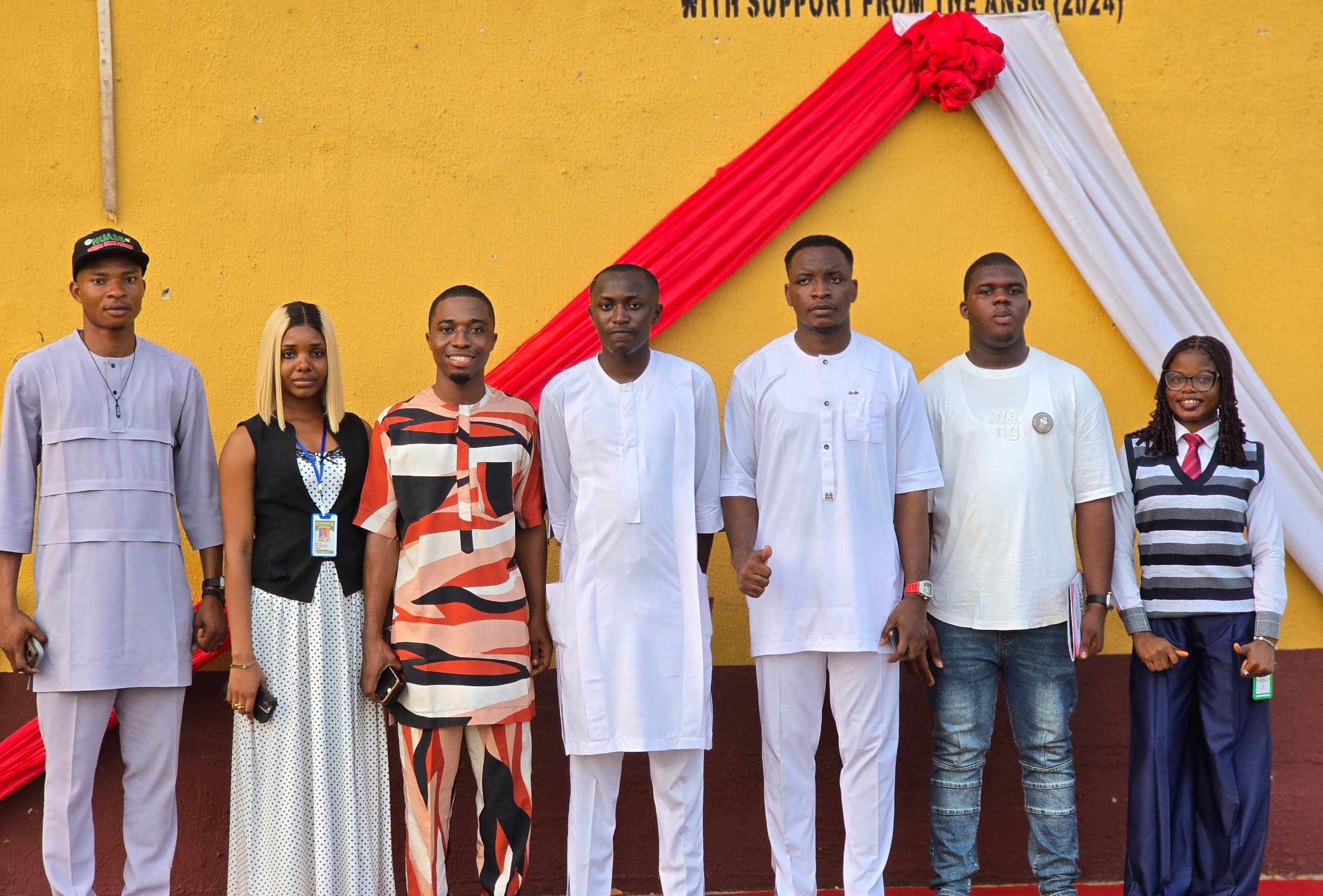
Anambra State Students, acting under the auspices of the Solution Student Movement of Nigeria, Anambra state chapter, have declared their intention to contribute money to buy the “Expression Of Interest Form” for President Bola Ahmed Tinubu to contest for a second term in office in 2027.
The group also said that they were ready to mobilise over 50,000 youths and students for his second term endorsement rally, adding that President Tinubu has proved within the last three years to be genuine a progressive worthy of their support.
The convener and student leader who is the Special Assistant to Governor Soludo on Student Matters, Hon Okoye Mathew Okpala (Nwa Soludo) made this known during a student meeting, held at theETF hall of Chukwuemeka Odumegwu Ojukwu University, (COOU) Igbariam campus, Anambra State, on Saturday, 14th Feb, 2026 to deliberate on the Theme: “Discovering Purpose and Working in Ordination 2026″.
According to Okpala, their primary interest had been and would remain the welfare, advancement and protection of students’ interests above any other consideration.
To them, Leadership he said, is about policies that directly impact the lives of the people, a reason he stressed the students were in clear and unwavering support of President Tinubu’s Second term in the 2027 general elections.
Under Tinubu’s leadership, Nigerian students he said had witnessed a historic intervention in the education sector through the Nigerian Education Loan Fund (NELFUND).
The approval of the zero-interest students’ loan scheme policy he noted has become a lifeline for over 983,706 Nigerian students who had already benefited with more than ₦183 billion disbursed so far. “This is not a promise for tomorrow; it is a reality happening today.”
“For years, many brilliant young Nigerians were forced to abandon their dreams, not because they lacked intelligence, but because they lacked financial support.
“Some deferred admissions. Some dropped out. Some never returned to school. The zero-interest loan scheme restores dignity, opportunity, and hope to thousands of families across this nation.That is inclusive leadership”, he said.
He stressed that President Bola Ahmed Tinubu has demonstrated that students are not an afterthought in governance and by investing in education financing and working towards economic stabilization, had shown he understands that the future of Nigeria lies in the classrooms, laboratories, and lecture halls of today.
“On the other hand, we have heard statements from Peter Obi suggesting that the students’ loan scheme would be halted if he is elected. As someone whose responsibility is to defend students’ interests, I must ask: what happens to the hundreds of thousands of beneficiaries? What happens to the students who are relying on this support to complete their degrees?
“What happens to those who finally found hope after years of financial hardship?.”
“If we truly care about students, we must protect policies that expand access to education not dismantle them. Even beyond politics, compassion demands that we acknowledge the painful history of students who were unable to further their education due to school fees and upkeep challenges”, he said.
Comrade Okoye, however noted that the students support for Tinubu was not based on sentiment, but on measurable impact, adding that as students they will always stand with policies that keep them in school, reduce financial burden, and secure their academic future.
For these reasons, he said the students from the zone proudly support President Bola Ahmed Tinubu for the next election, because leadership must be measured by what it does for the people, especially for the youth who embody the future of the nation.
The students he emphasized must continue to choose progress, opportunity, and inclusive leadership above any other consideration.
….Lilu, Orsuihiteukwa seek FG, States intervention
By Clems Iheme, and C Collins. who was at Orsuihiteukwa/Lilu

Two Anambra and Imo states communities bordering each other -Lilu (Ihiala LGA) and Orsuihiteukwa (Orsu) respectively have raised the alarm over recent more killings in their communities.
The outcry led by youths of these neighboring communities specifically fingered a previously booming location unfortunately baptized ‘Murder Valley’ by the gunmen as the main black spot and operational base of the murderous gangsters who have extinguished every form economic lives, decorum, and sanity but replaced it with the guns, and language of the jungle where might was power.
The location named Udeke by their ancestors according to history was renamed by these hoodlums as it has sadly became a spot where they do the absurd. They reportedly rape, rob, kill, maim and carry out human sacrifices for years now.
The Orsuihiteukwa Youths/the young-at-heart in the community led by Orsuihiteukwa Gadinma Ozo took select team of local/foreign based journalists, historians, anthropologists and documentarians to see things for themselves.
While addressing the visitors, the spokesperson for the community who gave his name simply as “Chukwuebuka”, noted that he’s presently keeping his full name under cover now for obvious security reasons said they were tired of running away from their homeland.
Chukwuebuka, like Lilu in Ihiala Council of Anambra State, lamented that “it was indeed doubtful if the Imo State governor, Senator Hope Uzodinma and the State Assembly still recognized Orsuihiteukwa and other neighbouring communities now daily soaked in blood as part of Imo State.”
He bemoaned the sad situation where the historical popular Eke Ututu market which hitherto drew patrons from all corners of the world become a wild forest in the last six years when insurgency started in the area.
Barrister Chukwuebuka told the visitors that majorly two villages of Orsu and Uda were the worst hit as almost the entire residents were driven out of their ancestral abode.
Moreso, all the major access roads, farmlands, bushparts, etc have been laced with deadly landmines. And needs military sweep as it has been decimating unsuspecting natives.
Toeing the same line of Lilu who intermarried, attends schools, churches in each other’s community asked the State government, ‘Is Orsuihiteukwa still part of Imo State? Where has our share of revenue allocation, appointments and other democracy dividends been going?
According to a resident who mustered enough courage to speak to the visiting team, the Federal and two States governments have failed us and our children.
By Sammie Echi Agbo
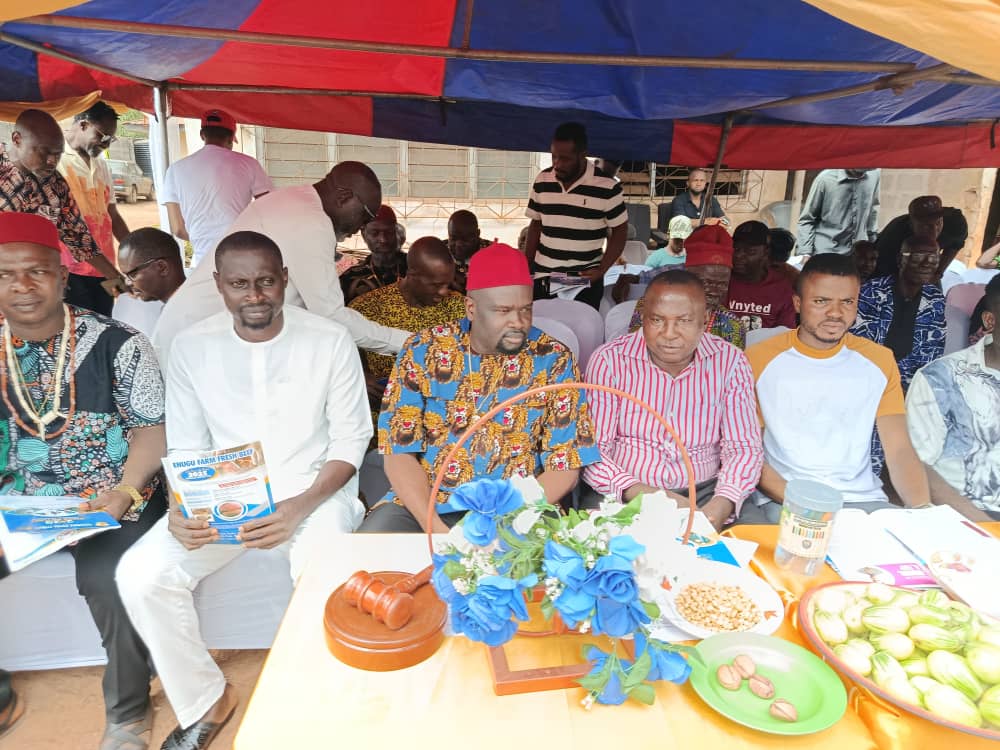
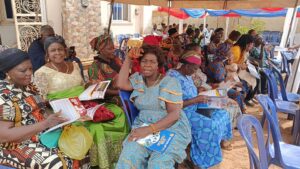
The Umuigwe Royal Family of Amechi Awkunanaw, Enugu South Local Government Area, on December 27, 2025, held its annual Mass Return and General Assembly, reaffirming its long-standing commitment to unity, humanitarian service and value-driven leadership.
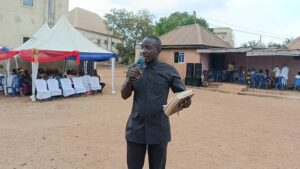
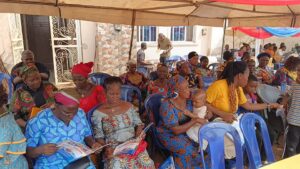
The event, held at the Umuigwe Royal Family Compound under the theme “Sustenance of the Virtues of the Umuigwe Royal Family,” brought together family members from within and outside the country, alongside community residents, in a blend of cultural reunion, philanthropy and strategic engagement.
Faith and Medical Outreach
Proceedings opened with prayers and a sermon by Pastor Ejike Nnamani, who spoke on “The Blessings of the Lord,” drawing from Proverbs 10:22. He urged members to pursue God-centred prosperity, warning against shortcuts that bring sorrow and instability.
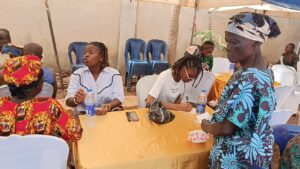
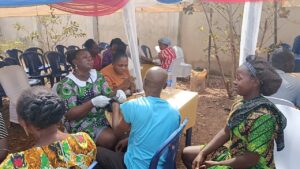
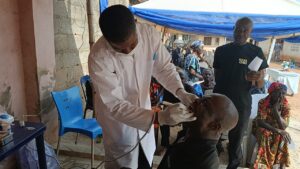
A free medical outreach followed, offering eye care services, malaria testing and treatment, dental checks, blood pressure screening, free drugs and general consultations to family members and the host community, underscoring the family’s commitment to community health.
Leadership and Accountability
Addressing the gathering, the Caretaker Committee Chairman, TPL Alex Ogbodo, FNITP, described the Mass Return as a platform for strengthening unity, transparency and inclusive leadership. He highlighted achievements under the current leadership, including formal registration of the family name, opening of a family bank account, regular meetings, procurement of administrative assets and the creation of a global family communication platform.
He also acknowledged challenges such as funding constraints, unemployment among some members, low digital participation by some elders and lapses in dues compliance, expressing confidence that collective effort would address them.
Education and Empowerment
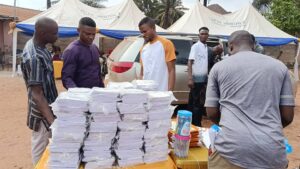
A major highlight was the Education Empowerment Initiative, which saw 11 students awarded full university scholarships sponsored by individual family members, including TPL Alex Ogbodo, Chief Paul Agbo, Hon. Sammie Echi Agbo, Mr. Ejimofor Agbo, Chief Chijioke Agbo Jr. and Chief Mrs. Joy Agbo.
Bursaries were also awarded to pupils in nursery, primary and secondary schools, while artisans received financial and material support to strengthen their trades.
Honouring Service
The family presented Meritorious Awards to distinguished individuals, living and deceased, in recognition of their contributions to education, healthcare, leadership and community development. Among those honoured were the late Chief Dennis Igwe, whose scholarship and medical interventions laid the foundation for the family’s philanthropic culture, alongside other notable contributors.
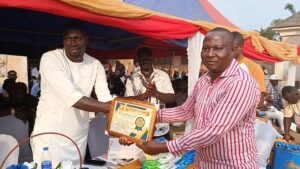
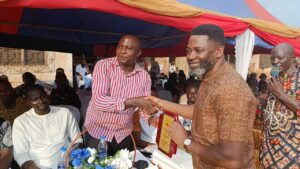
Speaking on behalf of the award recipients, Chief Paul Agbo, President General of the Amechi Development Union, said the recognition would further motivate continued investment in education, youth empowerment and community development. Other recipients described the awards as a call to deeper service. A collective cash donation was made by awardees in support of the family’s activities.
Thanksgiving Service
The programme concluded with a thanksgiving service at St. Matthew’s Anglican Church, Amechi Awkunanaw, where the family expressed gratitude for a successful outing and renewed its commitment to service and progress.
The 2025 Mass Return reinforced the Umuigwe Royal Family’s role as a consistent driver of community development in Amechi Awkunanaw, Nkanu land and Enugu State, sustaining a legacy built on unity, leadership and giving back.

Peter Obi Queries Fresh ₦3.3tn Approvals, Demands Accountability

Nigerian Govt Expels US Missionary Alex Barbir Over Inflammatory Statements

Oyo APC Guber Candidate, Alli Meets Tinubu In Lagos

Five Arrested Over Maiduguri Shooting That Left Teenager Dead

Zulum: Boko Haram Insurgency Will Soon End

Govt Denies Scrapping Visa-on-Arrival

Late President Buhari’s Son, Yusuf, Set To Run For House Of Reps

Plateau Attack Update: Seven States Evacuate Over 1,600 Students From UNIJOS

INEC Faces Backlash: ADC Youths Issue 72- Hour Deadline For Leadership Reversal

Tinubu Aide Warns Peter Obi Against Baseless Attack

EFCC Explains why Blessing CEO Remains Free Despite Cancer Scandal

Otedola Reveals Details Of Meeting With President Tinubu
Plateau Attack Update: Seven States Evacuate Over 1,600 Students From UNIJOS
Nigerian Govt Expels US Missionary Alex Barbir Over Inflammatory Statements
INEC Faces Backlash: ADC Youths Issue 72- Hour Deadline For Leadership Reversal
Five Arrested Over Maiduguri Shooting That Left Teenager Dead
Oyo APC Guber Candidate, Alli Meets Tinubu In Lagos
Peter Obi Queries Fresh ₦3.3tn Approvals, Demands Accountability

NYSC Launches Supplementary Online Registration For New Corps Members
Tinubu Aide Warns Peter Obi Against Baseless Attack
-
 NEWS2 years ago
A MUST READ!! What Peter Obi Discussed With Atiku, Saraki, Lamido During Visits – Aide Reveals
-

 MUSIC4 years ago
MUSIC: Mohbad – Back Side [Free Download]
-
 MUSIC4 years ago
MUSIC: Papiwizzy – Oluwalonsola Ft Zlatan and Papisnoop [Download Mp3]
-

 MUSIC2 years ago
MUSIC: DEBHIE FEAT. EMMYBLAQ – TURN UP (DOWNLOAD HERE)